Thinking about selling your Sherman Oaks home this winter? You are likely wondering what it could realistically sell for and how timing around the holidays might affect your outcome. You deserve a clear range and a simple plan that fits your goals. In this guide, you will learn how to estimate a credible price range, what winter means in Los Angeles, and the practical steps that help you sell with confidence. Let’s dive in.
Quick winter market context
Winter in Los Angeles brings fewer new listings and fewer casual buyers, especially around the holidays. The buyers who stay active are often more motivated due to relocations, lease timing, or tax decisions. Competition can be lower early in winter, while late winter can pick up as postponed buyers return. Well priced, well presented homes still sell at market value, though expect a higher chance of longer market time if you price far above recent comparable sales.
How to estimate your price range
Your home’s probable sale price is a range, not a single number. A credible estimate blends recent comparable sales, current competition, and market speed.
Start with comps
- Use closed sales from the past 3 to 6 months in your immediate area. Extend to 9 to 12 months only if few sales exist.
- Match property type, bedroom and bathroom count, lot size, and overall condition as closely as possible.
- Focus on similar micro‑locations within Sherman Oaks, such as hillside pockets, streets near Ventura Boulevard, or areas closer to major corridors.
Adjust the numbers
- Square footage and price per square foot trends for similar homes.
- Lot size and usable outdoor space, including pool presence.
- Remodel level and key upgrades, especially kitchens and primary baths.
- Parking and garage setup, plus street parking availability in denser areas.
- Views, hillside setting, and single‑story versus multi‑story.
Factor in current conditions
- Inventory: active vs pending listings and months of supply signal negotiation leverage.
- Days on market and sale‑to‑list price ratio show if buyers or sellers have the edge.
- Mortgage rate trends and affordability affect how wide the buyer pool is.
Choose a pricing strategy
- Aggressive for a fast sale: price near the low end of your range to attract early action.
- Market‑level: price in the middle of your range to balance time and price.
- Stretch: price at the high end only if comps and current demand clearly support it.
Always review a net proceeds estimate that subtracts typical closing costs, any credits, and payoff amounts so you know what you put in your pocket.
Sherman Oaks value drivers
Sherman Oaks is a varied market, and small differences can create big value shifts.
- Proximity to Ventura Boulevard, dining, and retail corridors.
- Lot size, privacy, outdoor living areas, and pool.
- Remodel quality, especially kitchens, primary bath, flooring, windows, and systems.
- Parking and garage configuration in denser parts of the neighborhood.
- Views and hillside locations near ridge streets or upper pockets.
- Zoning and potential for an ADU, which can add appeal if properly permitted.
- Neutral access to public and private schools, with buyers weighing commute and amenities.
By property type
- Condos and townhomes: pricing is sensitive to HOA fees, assessments, and amenities. Interior finishes weigh heavily on value, and these homes often move faster if priced correctly.
- Single‑family homes: lot quality, outdoor usability, and functional layouts carry strong premiums. Recent, consistent upgrades tend to increase buyer confidence and price.
Winter timing: which option fits you
Picking timing is about aligning your goals with buyer behavior in winter.
- List early winter: reach motivated buyers who must move in the first quarter. You face less competition, though the buyer pool is smaller. Price with precision and lean on strong marketing.
- List late winter or early spring: benefit from more overall activity as buyers return. Expect more showings, yet more competing listings too.
- Must sell this winter: lean into clean presentation and buyer‑ready condition. Flexible showings, clear pricing, and strong photos shorten exposure time.
Your winter seller checklist
A focused prep plan can add thousands to your bottom line and reduce days on market.
Prioritize fixes that reduce doubt
- Address roof, HVAC, plumbing, and safety items. Even small visible issues can cost you far more in negotiations.
- Tackle minor cosmetic repairs buyers notice first, such as paint touch‑ups and caulking.
Refresh where it counts
- Aim for targeted updates, not full overhauls. A light kitchen refresh or primary bath update often delivers better ROI than a last‑minute gut renovation.
- Neutral paint, modern hardware, and updated lighting can transform first impressions.
Stage and market for winter
- Declutter and stage key rooms: living area, kitchen, and primary bedroom.
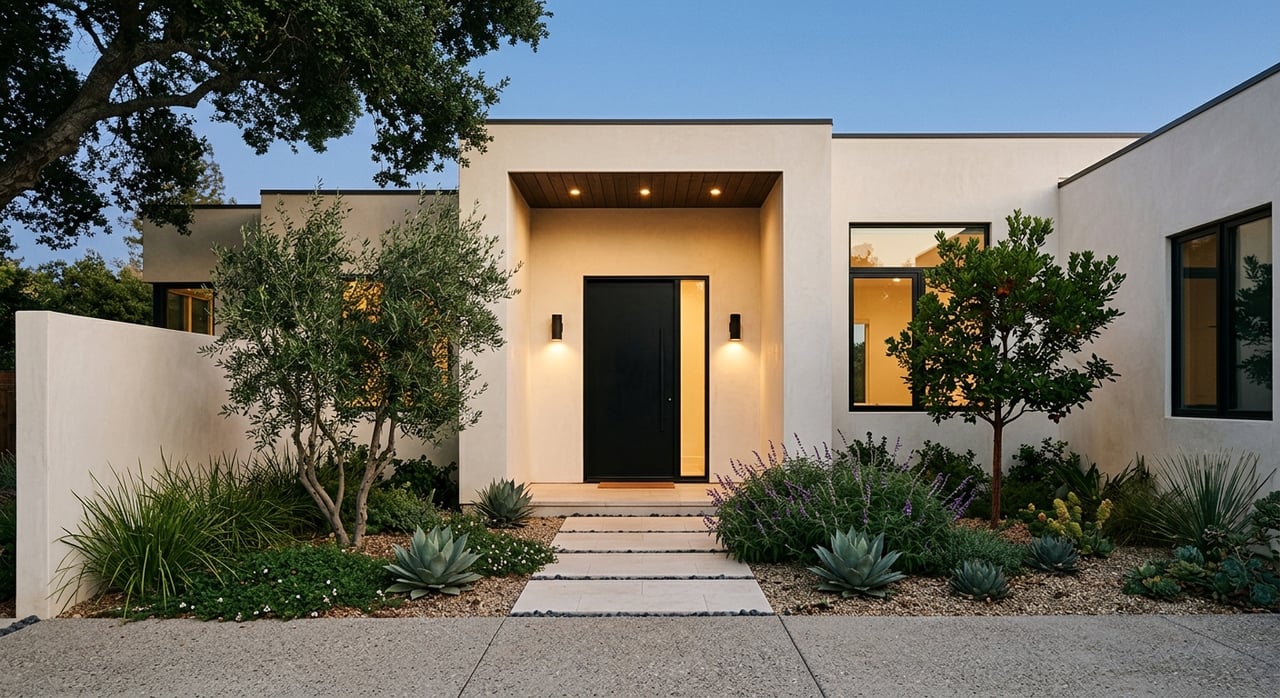
- Invest in professional photography, floor plans, and a 3D or virtual tour. Twilight photos can showcase outdoor living even with shorter daylight hours.
- Offer flexible showing windows, including weeknights and weekends.
Pricing and negotiation
- Use a current CMA focused on 3 to 6 relevant comps plus active and pending competition.
- Consider pre‑listing inspections or termite reports to speed escrow and build trust.
- If activity is slow and inventory grows, small early price adjustments, often in 1 to 3 percent increments, can restore momentum.
Costs, disclosures, and timing basics
Understanding the process helps you plan your move with confidence.
- Closing costs: expect items like broker commissions, escrow and title fees, transfer or documentary taxes, any negotiated credits, and agreed repairs. Confirm exact amounts with your escrow and agent.
- Escrow timelines: plan on 30 to 45 days for a typical California escrow. Holiday schedules and lender staffing can add a few days, so build in buffer time.
- Disclosures: California requires standard seller disclosures, including the Transfer Disclosure Statement, Natural Hazard disclosures, and lead‑based paint for older homes, along with any known material defects. Winter timing does not change your obligations.
Taxes and property rules to keep in mind
Tax and property rules can influence when you list and how you plan your next purchase.
- Federal capital gains exclusion: if you qualify under the ownership and use rules for your primary residence, you may exclude up to $250,000 for single filers or $500,000 for married filing jointly. For personal advice, consult a CPA or tax attorney.
- California assessed value transfers: state rules, including Proposition 13 and later measures such as Prop 19, can affect how your property is reassessed and whether you can transfer a tax base when you buy another home. Confirm details with a tax professional.
- Local transfer taxes: Los Angeles County and some cities apply transfer or documentary taxes at closing. Your escrow and title team can confirm the current amounts for your sale.
What a strong CMA includes
Ask for an analysis tailored to your address and condition, not just an automated estimate.
- 3 to 6 recent closed comps from your micro‑area, plus a short list of active and pending competitors.
- Adjustments for size, lot, remodel level, parking, pool, and views.
- Market condition adjustments that reflect current inventory, days on market, and buyer activity.
- A clear listing range with a strategy for positioning, plus a net proceeds estimate so you can compare scenarios.
Ready for your next step
If you want to capture motivated winter buyers, you do not need a full renovation. You need the right price range, a clean presentation, and marketing that meets buyers where they are. A local, data‑driven CMA and a focused launch plan set you up to succeed in any season.
Team Amalia‑K is based on Ventura Boulevard in Sherman Oaks and combines deep neighborhood expertise with a high‑touch, structured seller process. If you are curious what your home could sell for this winter, let us prepare a no‑obligation CMA and plan tailored to your goals. Connect with Unknown Company to get your instant home valuation or to have a quick conversation about timing.
FAQs
Does listing in winter lower my price in Sherman Oaks?
- Not necessarily. Winter brings fewer buyers and often fewer competing listings. Well priced, well presented homes still sell at market value, though marketing time can be a bit longer if you price too high.
How should I adjust my winter asking price?
- There is no fixed winter discount. Use recent comps and the current active‑to‑pending ratio. If competition is high, small price moves, often 1 to 3 percent, can help you regain momentum.
Are winter buyers in Los Angeles more serious?
- Often yes. Many are relocating, timing a lease, or meeting a personal deadline, which means fewer casual lookers and a higher share of qualified buyers.
Should I renovate before a winter sale in Sherman Oaks?
- Focus on high‑ROI refreshes. Address repairs that worry buyers and consider targeted cosmetic updates. Full gut renovations rarely pay off if you plan to list soon.
How do mortgage rates affect my Sherman Oaks sale?
- Higher rates reduce purchasing power and can limit bidding competition. Buyers with strong pre‑approvals are solid prospects, and your agent can help verify financing strength.