Buying Your First Home In Valley Village
February 19, 2026
February 19, 2026
Buying in Valley Village can feel exciting and overwhelming at the same time. You want a home that fits your budget, your commute, and your lifestyle, without surprises in escrow. In this guide you’ll get a clear snapshot of prices, property types, HOA must‑knows, and a simple California timeline so you can move from renter to owner with confidence. Let’s dive in.
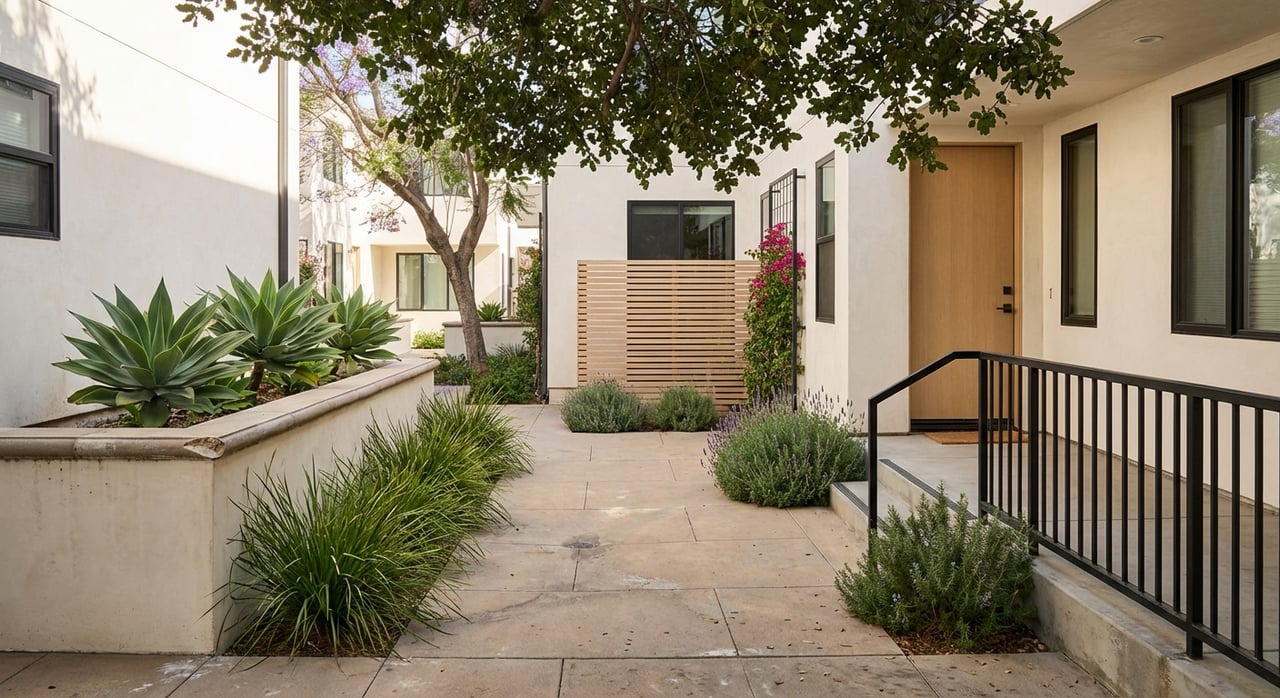
Valley Village sits in the San Fernando Valley area of Los Angeles, just north of Studio City and near North Hollywood’s NoHo Arts District. You’ll find tree-lined streets, mostly low-rise buildings, and quick access to Ventura Boulevard shops and dining. The neighborhood is walkable in many pockets and rates “Very Walkable” on Walk Score’s Valley Village page. Transit options include several bus lines and the North Hollywood Metro hub that connects to the B subway and the G bus rapid transit lines.
Recent neighborhood data shows a median sale price near $1,265,000 as of January 2026 for all home types in Valley Village. A separate neighborhood index shows an average value around $1.21 million through December 2025. These sources use different methods and timeframes, so read them as a range and check current comps before you write an offer.
The pace is “somewhat competitive,” with recent median days on market around 70 to 75 and sale-to-list ratios near 100 to 101 percent. For first-time buyers, condos and townhomes often offer the easiest entry. Examples show smaller one-bed condos under $500,000, with many updated condos and townhomes commonly in the $500,000 to $900,000 range. Single-family homes typically start near or above $1 million in Valley Village and go up based on lot size, updates, and square footage. Always confirm current numbers with up-to-date market data at the time you shop.
Monthly HOA dues in Valley Village commonly appear in the $250 to $650 per month range. The amount reflects building age, amenities like a pool or clubhouse, and whether utilities such as water or trash are included. Your resale packet will spell out the details.
Under California’s Davis-Stirling Act, buyers in a common‑interest development have the right to a statutory disclosure package that includes governing documents, financials, and more. Review Civil Code Section 4525 for the full list of required items on this Civil Code reference.
What to scan first in an HOA packet:
A simple script as you read: “Do reserves cover future roof and system replacements? Are there any open lawsuits? What exactly is included in monthly dues? Are parking assignments and guest parking clear in writing?” If answers are unclear or documents arrive late, you may have short review and cancellation rights tied to HOA disclosures. Ask your agent and escrow to keep timing tight and documented.
Here’s a clear path from pre-approval to keys in hand:
Get pre-approved. You’ll know your budget and can act fast when the right home hits the market.
Tour with a local agent. Focus on Valley Village micro-pockets that fit your budget, parking needs, and commute.
Write a competitive offer. Decide on contingencies for inspection, appraisal, loan, and HOA review if applicable.
Open escrow. Timelines begin for inspections, disclosures, and lender steps.
Order inspections. Start with a general home inspection. Add roof, HVAC, sewer scope for older homes, and a termite or wood-destroying organism report. See this overview of WDO inspections and timing on this WDO inspection guide.
Appraisal and underwriting. Your lender orders the appraisal and finalizes your loan approval.
Negotiate repairs or credits. Address issues surfaced in inspections or disclosures.
Clear to close. Do a final walk-through, sign, fund, and record the deed.
Timing: A financed purchase typically takes about 30 to 45 days from acceptance to closing, depending on lender and escrow timelines. For a helpful overview, see this closing timeline explainer.
California disclosures to know:
Closing costs and cash to close:
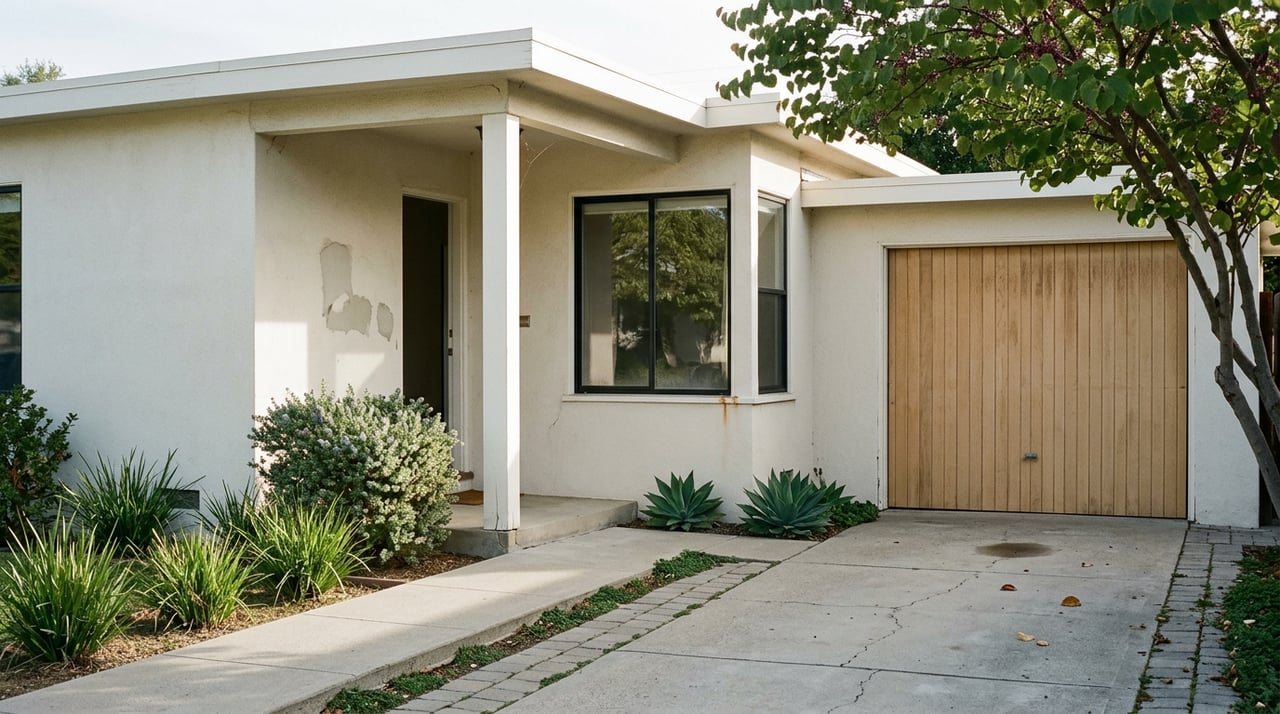
Valley Village includes many mid-century homes that may have seen piecemeal updates alongside newer infill builds. During tours and inspections, pay close attention to:
Updated homes can mean fewer immediate repairs and lower utility costs. Original homes can offer character and sometimes a lower entry price, but budget for potential upgrades and permit regularization. Get quotes from licensed local contractors during your inspection period so your numbers are real.
If you value walkability and transit, preview each property’s exact location. Many addresses put you a short walk to coffee, groceries, and the North Hollywood transit hub. Check address-level walk and transit details on Walk Score, and test your commute at the same time of day you expect to travel.
Always verify program availability and your eligibility early in your search. These funds are limited and may pause or change during the year.
Buying your first home here should feel doable, not daunting. With a grounded plan, careful review of HOA and disclosures, and a trusted local guide, you can move with confidence.
If you’re ready to explore Valley Village condos, townhomes, or entry-level single-family homes, let’s talk about your timing, budget, and must-haves. Reach out to Team Amalia-K to start your search.
Stay up to date on the latest real estate trends.

We pride ourselves on informing and educating our clients in order to make better real estate decisions. Contact us today to find out how we can be of assistance to you!
Get In Touch With Our Team To Learn More

Team Amalia-K
[email protected]
(818) 281-8407
Amalia Khachikian | CA DRE# 00989919
Tina Mansoorian | CA DRE# 02102141
Serli Tasci | CA DRE# 02047320
14141 Ventura Blvd # 8 Sherman Oaks CA 91423