Are you deciding between Tarzana’s hillside homes and the flats north of Ventura Boulevard? You are not alone. Each area delivers a distinct rhythm of daily life, from views and privacy to yard space, parking, and trail or restaurant access. In this guide, you will see the real lifestyle trade-offs, plus key permitting, wildfire, and cost-of-ownership factors that smart buyers consider before making an offer. Let’s dive in.
Tarzana at a glance: hills vs flats
South of Ventura Boulevard, Tarzana climbs into the foothills of the Santa Monica Mountains. North of Ventura sits the valley floor with wider, straighter streets and easier access to Ventura Boulevard. Local planning maps and neighborhood guides use this north-of-Ventura vs south-of-Ventura split to describe the area’s two living experiences. You can see this framing in Los Angeles City Planning’s Southwest Valley materials that reference the Tarzana context and geography used by planners and community maps.
What that means for you: the hills bring elevation changes, curvier streets, and more privacy. The flats offer a simpler, street-level lifestyle close to everyday services and Metro bus stops along Ventura Boulevard. If you want quick hiking or mountain biking access, hillside streets connect to the Marvin Braude Mulholland Gateway and Caballero Canyon trail network, part of the Santa Monica Mountains system described here.
Daily life trade-offs
Views and privacy
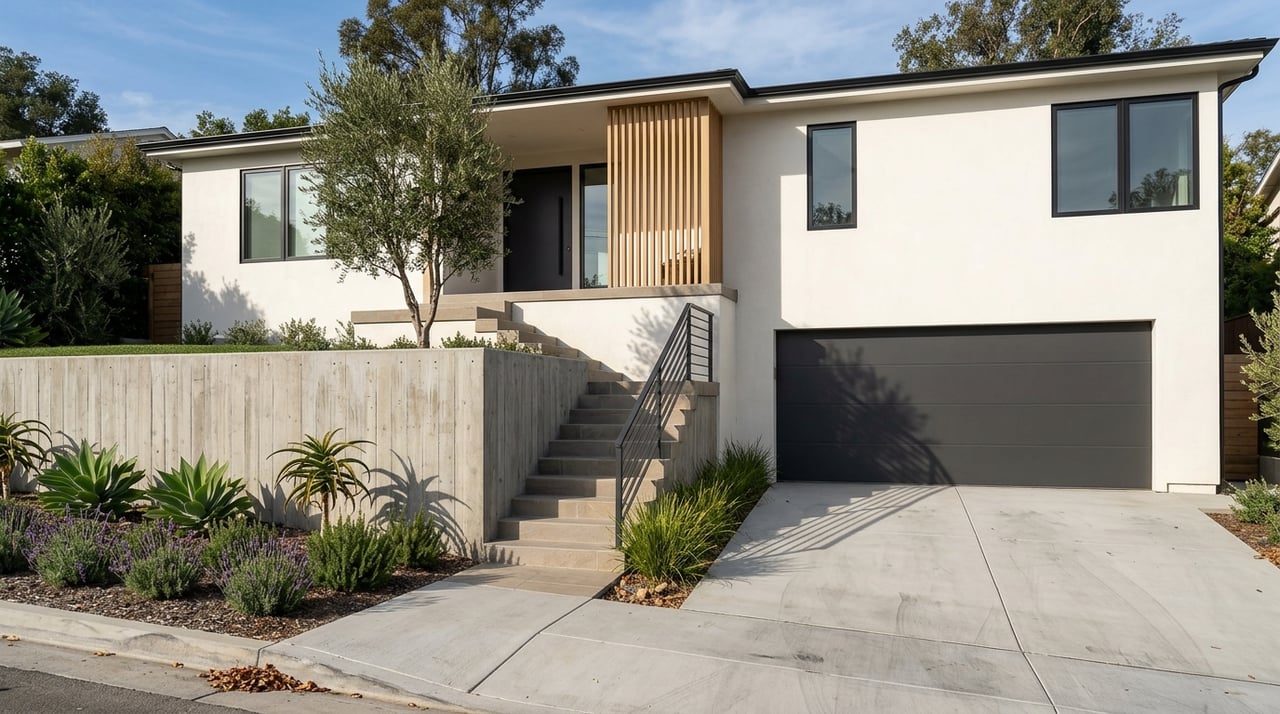
- Hillside homes often sit above neighboring roofs, which can create valley or multi-directional views. Many are designed with large windows, terraces, and decks to capture light and scenery. If you prize privacy and vistas, this is where the premium usually comes from.
- Flats tend to have less dramatic views but more consistent daylight at street level and easier indoor to backyard flow. If you want a big, usable lawn and low-stair living, the flats usually fit better.
Yard usability, pools, and outdoor living
- Hillside parcels are frequently irregular and sloped. Usable flat space is created by terraces and retaining walls. That design can be beautiful, yet it adds complexity and cost for pools, large patios, or garden projects. The City’s Baseline Hillside Ordinance highlights the slope, grading, and access factors that shape what is feasible on these lots in its guide.
- On the flats, parcels are often more rectangular with contiguous yard areas. Pool or landscape projects typically involve fewer slope or stability constraints, which can shorten timelines.
Driveways, parking, and street access
- Steeper driveways are common in the hills and can affect daily convenience, from loading cars to visibility when backing out. City plan-check materials commonly reference a 20 percent maximum driveway slope in review contexts, and fire-access reviewers often look for even gentler grades for emergency apparatus access. The City’s plan-check list provides helpful context on these limits and review items in this document. The Baseline Hillside Ordinance guide also addresses substandard hillside streets and access issues within its standards.
- Flats typically feature wider streets and more on-street parking, which can simplify guest parking and daily errands.
Convenience to shops, schools, and transit
- If walkability to coffee, groceries, and restaurants is a priority, the flats have the edge. Ventura Boulevard concentrates retail and dining, and Metro Local routes run along the corridor as described on the Ventura Boulevard overview.
- Hillside homes deliver quieter streets and quick trail access, yet they are usually a longer or hillier drive to Ventura Boulevard and bus stops.
Noise, wind, and microclimate
- Hills can be breezier and sometimes cooler in the evenings. They may also feel more exposed during strong Santa Ana events. Flats are more sheltered from ridge-line winds, though proximity to Ventura Boulevard can raise ambient traffic noise on some blocks. A field visit at different times of day is the best way to compare.
Safety, wildfire, and insurance
Many hillside parcels sit near open space or within City and State fire hazard maps. That triggers extra diligence and seller-buyer disclosure steps.
- AB 38 defensible space and fire-hardening disclosures apply when a property is in a mapped High or Very High Fire Hazard Severity Zone. Buyers should ask for defensible-space documentation and confirm if any mitigation work is needed. A practical summary of AB 38 and related disclosures is available on a local city page explaining requirements.
- Insurance companies in California must consider documented mitigation under the state’s “Safer from Wildfires” framework. Measures like Class A roofs, ember-resistant vents, a 5-foot ember-resistant zone, and maintained defensible space can affect underwriting and premiums. Review the California Department of Insurance bulletin for context on mitigation and rating. Always request quotes early, especially for hillside addresses.
Permits, grading, and engineering essentials
Hillside homes can involve more permitting, particularly for grading, retaining walls, and structural work.
- The City’s Baseline Hillside Ordinance guide outlines common hillside rules for access, grading, and lot development in one reference.
- Grading and foundation work on slopes often require soils and geologic reports. The Los Angeles Municipal Code explains these triggers and submittals for hillside conditions in the grading sections.
- Retaining walls beyond certain height or surcharge thresholds require engineered design and permits. County and city guidance explain the permit expectations for retaining walls and the importance of approvals and engineering records in this FAQ.
Architecture and price expectations
- Flats: You will see many postwar ranch and mid-century ranch homes, along with single-story and split-level designs. The Valley’s ranch tradition is well documented in City planning resources that track local architectural character in this overview.
- Hills: Expect more custom architecture that steps with the terrain, from mid-century modern to Mediterranean and contemporary rebuilds on larger or more irregular lots.
- Pricing snapshot: As of early 2026, mainstream market trackers place Tarzana’s median home values roughly in the low to mid $1M range. The flats tend to cluster around that neighborhood median, while south-of-Ventura hillside properties, especially view homes, larger lots, or estates, commonly trade for a notable premium, often $1.5M and up depending on lot, condition, and views. Always re-check current comps before you write an offer.
Which side fits you? A quick self-check
Choose the hills if you:
- Want privacy, views, and quick access to hiking and biking.
- Are comfortable with terraced yards or multiple levels.
- Can budget time and cost for engineering, grading, drainage, or retaining-wall upkeep.
- Value quieter streets, even if the drive to Ventura Boulevard is longer.
Choose the flats if you:
- Want a larger, contiguous lawn or easier pool options.
- Prefer wider streets, simpler parking, and shorter trips to daily errands and transit.
- Like one-level or near one-level living with fewer stairs.
- Want fewer permitting variables for future outdoor projects.
Buyer checklist: verify before you offer
Use this list to reduce surprises and protect your budget. These items are especially important on hillside parcels.
- Confirm whether the property is north or south of Ventura Boulevard. South usually brings hillside rules outlined here.
- Ask for any soils or geotechnical reports, past grading permits, and drainage plans. See LAMC grading triggers for context in the code.
- Request retaining-wall permits and engineer drawings for any substantial walls. Permit thresholds and design expectations are discussed in regional guidance in this FAQ.
- Measure or obtain driveway slope. Ask if the City or Fire Department reviewed access conditions. City plan-check references for slope and access appear in the plan-check list available here.
- If the parcel is in a mapped fire hazard zone, request AB 38 defensible-space and fire-hardening disclosures as summarized here.
- Get at least one insurance quote that reflects “Safer from Wildfires” mitigation credits referenced by CDI.
- If you plan renovations, review the Baseline Hillside Ordinance guide for grading, access, and hillside development rules in one place.
What this means for sellers
If you are prepping a hillside home for market, gather your paperwork early. Buyers will ask for soils reports, grading and retaining-wall permits, drainage plans, and any AB 38 defensible-space documents. Highlight recent mitigation or fire-hardening improvements that may help with insurance quotes. On the flats, present yard usability, one-level living, and proximity to Ventura Boulevard amenities clearly in your marketing. Strong documentation builds trust and can reduce days on market.
Ready to compare homes on both sides of Ventura?
Whether you want a view home near Caballero Canyon trailheads or a flat-lot ranch close to restaurants and transit, having a steady, local advisor makes the difference. Our team lives and works across the San Fernando Valley, combines patient guidance with data-backed tools, and knows how to evaluate hillside engineering, access, and disclosure details alongside lifestyle fit. If you are weighing Tarzana’s hills vs flats, let us put a side-by-side plan together and line up the right inspections early.
Have questions or want an instant snapshot of your home’s value? Connect with Team Amalia-K to start your search or get a quick valuation today.
FAQs
What is the main difference between Tarzana hills and flats?
- South of Ventura Boulevard you get hillside terrain, privacy, and trail access; north of Ventura you get flatter lots, wider streets, and easier access to Ventura Boulevard shops and transit as recognized by City Planning.
How does hillside living change permits and projects in Tarzana?
- Hillside projects often require soils reports, grading permits, and engineered retaining walls, with standards summarized in the City’s Baseline Hillside Ordinance guide found here.
Are there rules about driveway slope for hillside homes?
- City plan-check materials commonly reference a 20 percent maximum driveway slope in reviews, and fire-access reviewers may seek lower grades for apparatus access per this plan-check list.
What wildfire disclosures apply to Tarzana hillside properties?
- If a property is in a mapped High or Very High Fire Hazard Severity Zone, AB 38 requires defensible-space and fire-hardening disclosures, which sellers should provide to buyers summarized here.
Do mitigation upgrades help with insurance on hillside homes?
- Yes, California’s “Safer from Wildfires” framework requires insurers to consider documented mitigation like Class A roofs and ember-resistant vents when pricing coverage explained by CDI.
What types of homes are common in Tarzana flats vs hills?