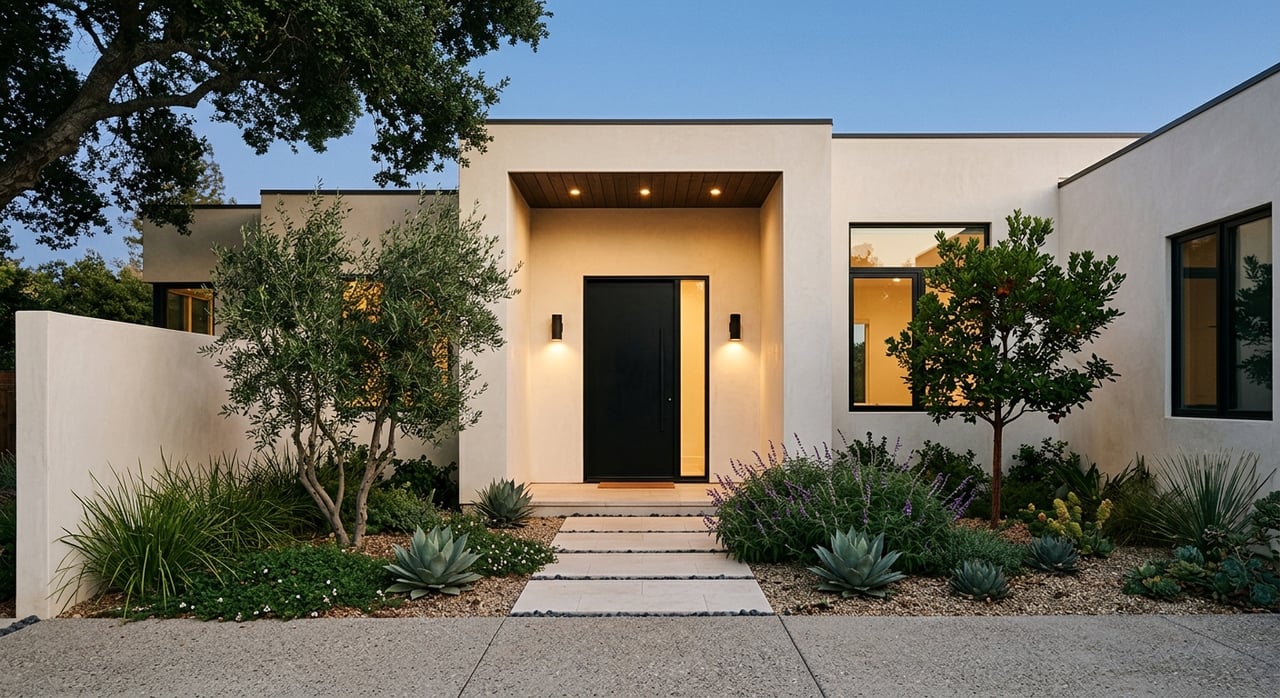
How To Sell And Buy At The Same Time In Glendale
May 28, 2026
May 28, 2026
Trying to sell your current home while buying the next one in Glendale can feel like solving two puzzles at once. You want to protect your equity, avoid carrying unnecessary costs, and still compete in a market where timing matters. The good news is that with the right plan, this move becomes much more manageable. Let’s break down the smartest ways to coordinate both sides of the transaction.
Glendale is part of a fast-moving Los Angeles County market, and recent data shows why coordination matters so much. As of April 30, 2026, Zillow reported an average Glendale home value of $1,205,826, 228 homes for sale, and pending timelines of about 15 days. Redfin reported a median sale price of $1,018,750, 36 days on market, and an average of 6 offers in March 2026.
Those numbers do not measure the market in exactly the same way, but they point to the same reality. Homes can move quickly, and buyers may face competition. If you are selling and buying at the same time, your strategy needs to account for speed, financing, and where you will live between closings.
For many homeowners, selling first is the clearest path. If your next purchase depends on the proceeds from your current home, California DRE guidance explains that a purchase contract can be made contingent on closing escrow on that sale.
This approach can help you avoid guessing about your available equity. You know what your home sold for, what your net proceeds look like, and how much you can comfortably use for the next purchase. The tradeoff is timing, since you may need to move quickly once your sale is under contract.
A home-sale contingency means your offer to buy depends on your current home selling first. California DRE explains that while this contingency is in place, the seller can often continue marketing the property or accept backup offers.
If another offer comes in, you may be asked to remove your contingency and any loan contingency within the stated time or lose the deal. In a Glendale market where multiple offers are common, that can make this option less competitive. Still, it can be useful when selling your current home is necessary to fund the purchase.
Bridge or swing financing can help cover the gap between buying and selling. Fannie Mae allows bridge loans as an acceptable source of funds, but the bridge loan cannot be cross-collateralized against the new property.
The lender must also document that you can carry payments on your current home, your new home, the bridge loan, and your other obligations. That makes this option less about contract timing and more about financial qualification. If you qualify, it may help you present a stronger offer with fewer contingencies.
A rent-back can be one of the most practical tools in a same-time move. California DRE says that if the seller stays in the home after close of escrow, the arrangement should be covered by an appropriate written agreement.
This matters because a rent-back is not just a casual handshake. It can address possession dates and adjustments for items like taxes, rent, assessments, and prepaid costs. If you sell first but need a little more time to move into your next home, this can create breathing room.
Before you seriously shop for your next home, get your financing reviewed. CFPB says a preapproval letter is a tentative willingness to lend, not a guaranteed loan offer, but sellers often expect to see one.
CFPB also notes that preapproval letters usually expire in 30 to 60 days. In a move where you are trying to match two transactions, early preapproval helps you spot problems sooner and gives you a more realistic timeline.
Contingencies are one of the biggest pressure points in a simultaneous sale and purchase. CFPB explains that an inspection is different from an appraisal, that lenders generally require an appraisal, and that a buyer may be able to cancel without penalty if the contract is contingent on a satisfactory inspection and the inspection is not acceptable.
CFPB also notes that the mortgage contingency clause affects whether your deposit is refunded if you cannot get the loan. In practical terms, you want to know exactly which protections you need and how those dates fit with the sale of your current home.
One of the biggest mistakes people make is assuming the two transactions will naturally line up. California DRE explains that escrow instructions typically cover the price and terms, mortgage details, title vesting, inspection reports, proration adjustments, possession date, recording documents, disbursements, and closing date.
That is why clear written instructions matter so much. When your agent, lender, and escrow officer are working from the same schedule, there is less room for last-minute surprises.
If your purchase closes before your sale, you may need to carry two homes for a period of time. That can include your current mortgage, your new mortgage, and possibly bridge financing if you use it.
For some buyers, this is manageable and worth the added flexibility. For others, it creates too much pressure. A good plan starts with knowing which level of payment overlap you can realistically handle.
A contingent offer may protect you, but it can also weaken your position. In a market where homes may attract multiple offers, sellers may prefer buyers with fewer conditions attached.
That does not mean a contingent offer never works. It means you should be realistic about how your offer may be viewed and build your strategy around current market conditions.
Even if both transactions are on track, the dates may not align perfectly. You could sell your home before your new purchase is ready, or buy before your current home has closed.
This is where planning for possession becomes critical. A written rent-back, careful escrow scheduling, or temporary housing backup can help you avoid scrambling at the last minute.
If you are not sure which route makes the most sense, start by identifying your biggest concern. Most Glendale move-up buyers are trying to solve one of three issues: protecting equity, staying competitive, or avoiding a gap in housing.
Here is a simple framework:
The right answer depends on your finances, your comfort with risk, and how much timing flexibility you have.
In Glendale, selling and buying at the same time is usually less about finding a perfect trick and more about building a coordinated plan. The market data suggests that speed matters, and California guidance makes it clear that timing, contingencies, and possession terms should be spelled out in writing.
That is where steady, hands-on guidance can make a real difference. When you have a clear sale strategy, realistic financing plan, and well-managed timeline, you can move with much more confidence.
If you are planning a move in Glendale and want a clear strategy for selling your current home while buying the next one, Team Amalia-K can help you map out the timing, pricing, and next steps with the personal attention that makes complex moves feel more manageable.
Stay up to date on the latest real estate trends.



We pride ourselves on informing and educating our clients in order to make better real estate decisions. Contact us today to find out how we can be of assistance to you!
Get In Touch With Our Team To Learn More

Team Amalia-K
[email protected]
(818) 281-8407
Amalia Khachikian | CA DRE# 00989919
Tina Mansoorian | CA DRE# 02102141
Serli Tasci | CA DRE# 02047320
14141 Ventura Blvd # 8 Sherman Oaks CA 91423