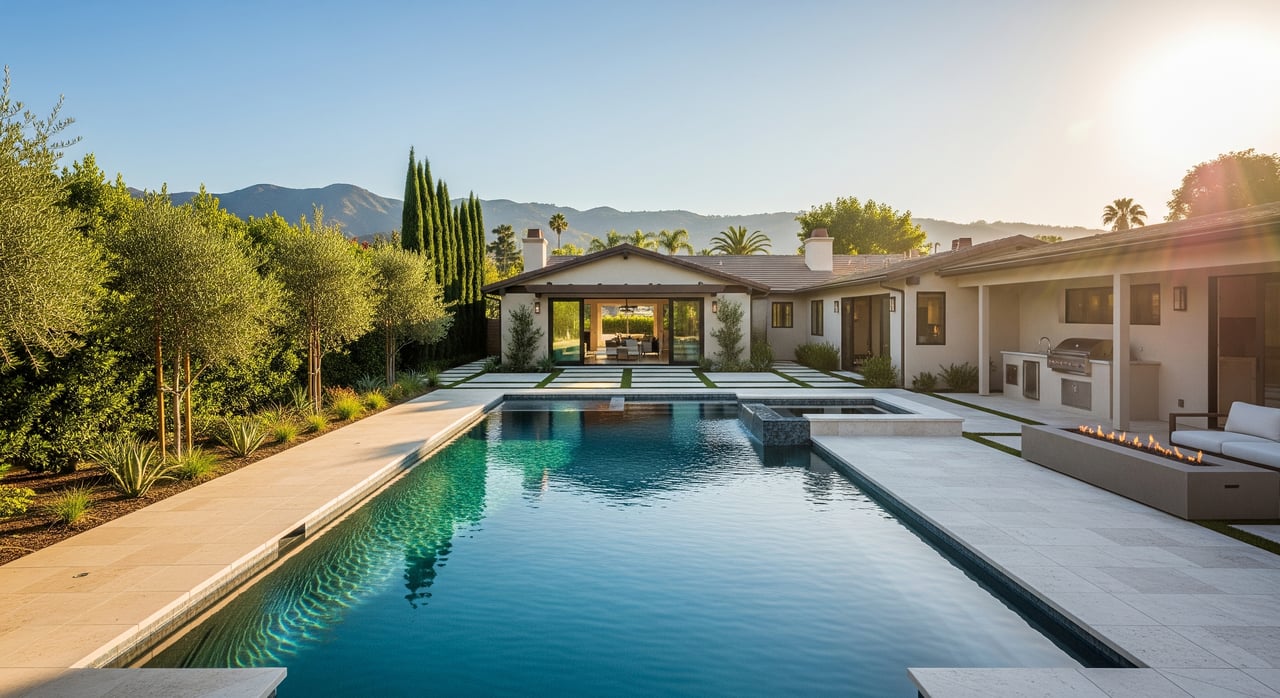
Buying A Pool Home In Tarzana: Key Considerations
January 8, 2026
January 8, 2026
Dreaming of a backyard oasis in Tarzana? In the San Fernando Valley heat, a pool can feel like an everyday vacation, and it often boosts a home’s appeal. At the same time, pools come with real costs, safety rules, and maintenance that are easy to underestimate. In this guide, you’ll learn what to watch for with permits, inspections, utilities, and resale so you can buy with confidence. Let’s dive in.
Tarzana has a warm Mediterranean climate with hot, dry summers and mild winters. That means you can use a pool for many months each year, which is a key reason buyers value them here more than in cooler markets. You’ll want to think through heating and energy choices based on how often you plan to swim. In our area, many owners consider solar options, heat pumps, or efficient covers to extend the season while managing costs.
During dry years, the Los Angeles Department of Water and Power may impose conservation rules. Pools need topping up due to evaporation or leaks, and water rates are tiered, so heavy refills can raise your bill. A simple way to reduce water loss is to use a solar cover and stay on top of maintenance and leak checks. Before you buy, plan to verify current LADWP drought guidance so you understand what is allowed.
Ongoing pool costs vary with pool size, equipment, and how often you swim. For regular upkeep, many owners spend in the range of modest monthly amounts for chemicals and cleaning, and more if you hire weekly service or have special needs. Energy is another factor. Pumps, heaters, and lighting can make a noticeable difference on your electric and gas bills.
Local utilities sometimes offer rebates for energy-efficient upgrades. Programs change, so check for current offers with utilities that serve Los Angeles when you are ready to invest in equipment.
Water use deserves a separate plan. Evaporation happens faster here in summer, so a well-fitted solar cover or a liquid cover can reduce top-offs. If you suspect unusual water loss, arrange leak detection early. Finding and fixing a small leak now can prevent bigger costs later.
Pools and major pool work in the City of Los Angeles typically require permits. This includes construction, significant repairs, decks, and many types of equipment replacement. Always review municipal records for permits and final inspections. If a pool or equipment was installed without permits, factor the time and cost to remedy. Older installations may need updates to meet current code.
Sellers in California must complete a Transfer Disclosure Statement and related forms. They are required to disclose known defects and issues affecting the property, which includes pool problems, structural concerns, or safety incidents to the extent of their knowledge. Ask for repair invoices, warranty details, and any permits for past work. Missing documentation is a red flag that you should investigate.
Safety requirements are a core part of due diligence. Local rules often require a minimum barrier height with self-closing, self-latching gates. You may also see requirements or recommendations for door or window alarms where the home opens to the pool area, compliant drain covers to prevent entrapment, and approved pool covers. Confirm the property’s setup aligns with City of Los Angeles regulations and current safety standards.
Pools increase liability exposure for homeowners. Insurers may ask for safety features, and premiums can be higher. It is smart to confirm insurability and expected premiums with your insurance agent before you remove contingencies, and many owners choose to add an umbrella policy for extra protection.
Finally, understand the property tax angle. A newly built pool may trigger a supplemental assessment under California’s property tax framework. If the seller recently added the pool, the assessed value may already reflect it. If you plan to add or remodel a pool after closing, budget for the possibility of higher taxes.
A dedicated pool inspection is as important as the home inspection. Ask your agent to recommend a certified pool inspector or an experienced home inspector with pool expertise. Here is what to prioritize.
Identify the pool type, such as gunite or concrete, fiberglass shell, or vinyl liner. Each has a different maintenance profile and lifespan. Look for cracks, movement, tile or coping separation, and signs of major resurfacing. Concrete finishes and liners have replacement cycles, so try to estimate the remaining life.
Document pump type and age, filter type, heater fuel and age, booster pumps for attached spas, and any automation or smart controls. Verify whether the pump is variable-speed and properly sized for the pool’s hydraulics. Ask for service records to understand maintenance history and upcoming replacements. Old or mismatched equipment can increase costs and reduce efficiency.
Visible water loss, frequent topping up, or uneven water levels can indicate leaks in plumbing, equipment, or the shell. If you suspect an issue, order leak detection. Early testing can save you from surprise repairs.
Inspect the deck surface for trip hazards, cracks, and settling. Check slopes to ensure water drains away from the house and the pool, not into it. Proper deck drainage preserves both the home’s foundation and the pool structure.
Confirm that equipment and nearby outlets have proper GFCI protection and that bonding is in place. Pool electrical safety is critical. Any deficiencies here should be corrected before closing.
Assess fencing and gates, alarms on doors that access the pool area, and pool cover options. Confirm drain covers meet current anti-entrapment standards. Plan to address any gaps to reach compliance as part of your negotiation.
Ask about algae history and how the pool is sanitized. Salt systems are popular but can be corrosive to some materials if not balanced correctly. Request chemical logs if available, and look for staining, scaling, or etching on surfaces.
Ask for clear documentation to reduce surprises and support your offer strategy.
In warm climates like Tarzana, a pool often increases buyer appeal. The actual value impact depends on the neighborhood, lot size, design, and condition. In some areas, having a pool can help a listing compete if many comparable homes already have one. On the other hand, a neglected, unpermitted, or inefficient pool can turn off buyers and affect pricing.
Appraisers treat a pool as a feature and will compare your home to similar properties. If an appraiser or lender flags safety or permit issues, you may need to correct them before closing. That can include resolving missing permits or addressing barrier requirements. Government-backed loans can have specific safety checks, so make sure your agent and lender are aligned early.
If you are considering condos or townhomes in Tarzana, some communities have shared pools. Review HOA rules, budgets, and reserves to understand how the pool is maintained and funded. Healthy reserves and clear policies are important for long-term ownership confidence.
Target upgrades that reduce operating costs and improve safety. These are the most common wins in our area.
Well-documented, energy-efficient, and safe pools tend to fare better at resale. Keep receipts and manuals. If you complete permitted work, save approvals and final inspections for your records.
A clear process will help you move forward with confidence.
Verify permits and compliance. Ask your agent to pull municipal records for the pool, spa, deck, and equipment. If something is missing, price in the cost and time to correct it.
Get a dedicated pool inspection. Include structure, equipment, electrical, bonding, and safety features. Order leak detection if you see warning signs.
Confirm water and utility considerations. Review LADWP conservation guidance and factor seasonal evaporation into your plan. Consider energy-efficient upgrades and ask utilities about potential rebates when you are ready to improve equipment.
Talk to your insurer. Confirm insurability, safety requirements, and expected premiums. Many owners add umbrella coverage for peace of mind.
Plan for ownership costs. Budget for monthly service, chemicals, electricity and gas, and long-term items like resurfacing or equipment replacement.
Lean on local pros. Use licensed contractors for any work and confirm credentials through the California Contractors State License Board. Ask your agent for referrals to inspectors and reputable pool service companies in the Valley.
Buying a pool home in Tarzana can be a great choice when you understand the costs, safety rules, and upkeep. With the right due diligence and a strong plan, you will know exactly what you are taking on and how to enjoy it for years. If you are ready to explore pool homes or want to talk through an inspection report, the local guidance you need is close by. Connect with Team Amalia-K for steady, high-touch representation in the San Fernando Valley. We speak Armenian and Farsi and can help you compare options, confirm permits, and negotiate with confidence.
Stay up to date on the latest real estate trends.

We pride ourselves on informing and educating our clients in order to make better real estate decisions. Contact us today to find out how we can be of assistance to you!
Get In Touch With Our Team To Learn More

Team Amalia-K
[email protected]
(818) 281-8407
Amalia Khachikian | CA DRE# 00989919
Tina Mansoorian | CA DRE# 02102141
Serli Tasci | CA DRE# 02047320
14141 Ventura Blvd # 8 Sherman Oaks CA 91423