Studio City New vs Older Homes: What Buyers Should Weigh
February 26, 2026
February 26, 2026
You want the right Studio City home, but the choice feels big: that crisp new build with modern systems or the classic charmer with character and trees that feel like old friends. Both can be smart buys in this neighborhood, and each comes with different costs, timelines, and risks. In this guide, you’ll learn what to expect on price, permits, inspections, energy features, taxes, and resale so you can move forward with confidence. Let’s dive in.
Studio City sits in the upper tier of Los Angeles housing, where many homes sell in the low‑millions. Numbers vary by data source and timing, but you’ll often see median prices in the $1.5–$2.3 million range. That wide band reflects differences between list prices, sold prices, and home value indexes. For a specific address, rely on fresh MLS comparables and block‑level insights.
Micro‑markets matter here. Flats near the Ventura Boulevard corridor live differently than hillside pockets like Fryman and Laurel Canyon. Expect tighter pricing tolerance in the $1.5–$3.0 million tiers, while very high‑end hillside estates follow their own rhythm. Your decision between new and classic should match the sub‑area, lot, and views you want.
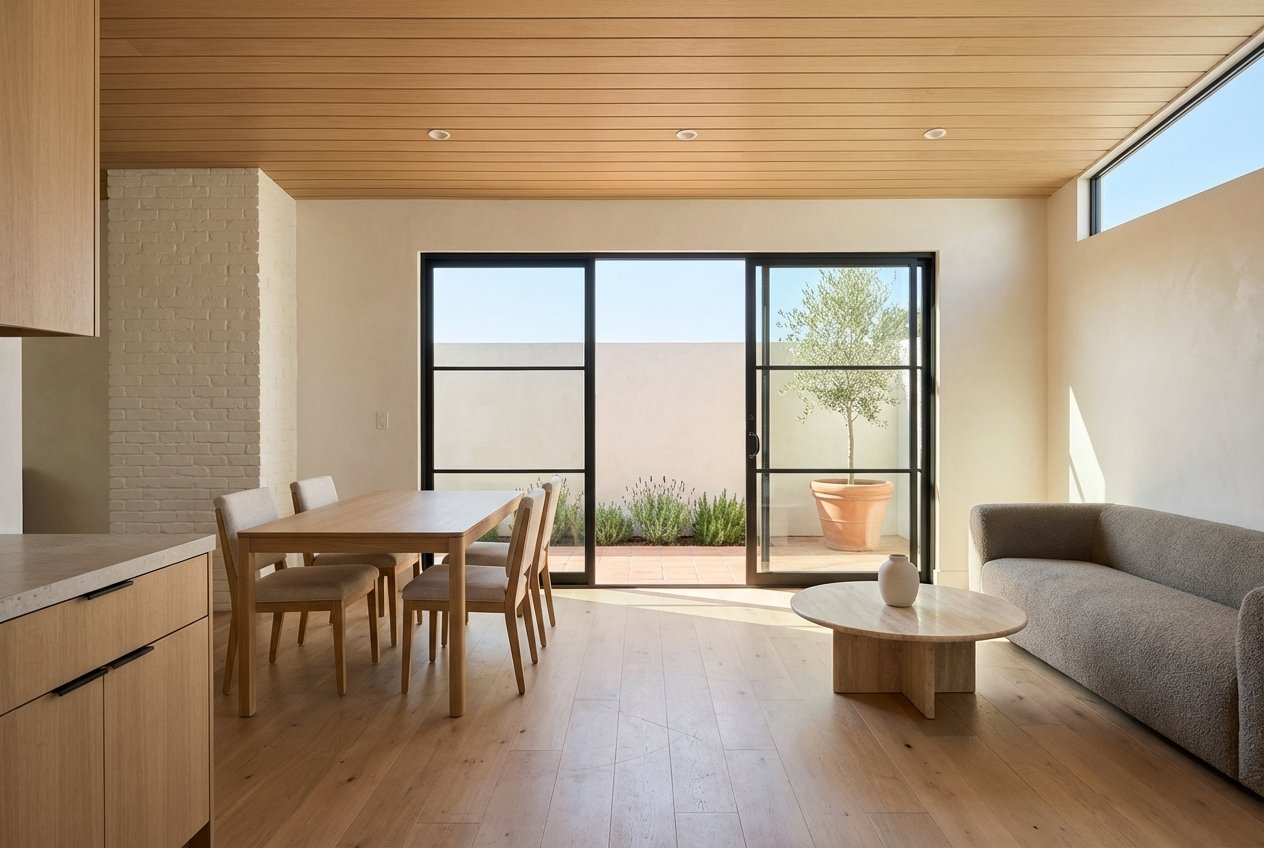
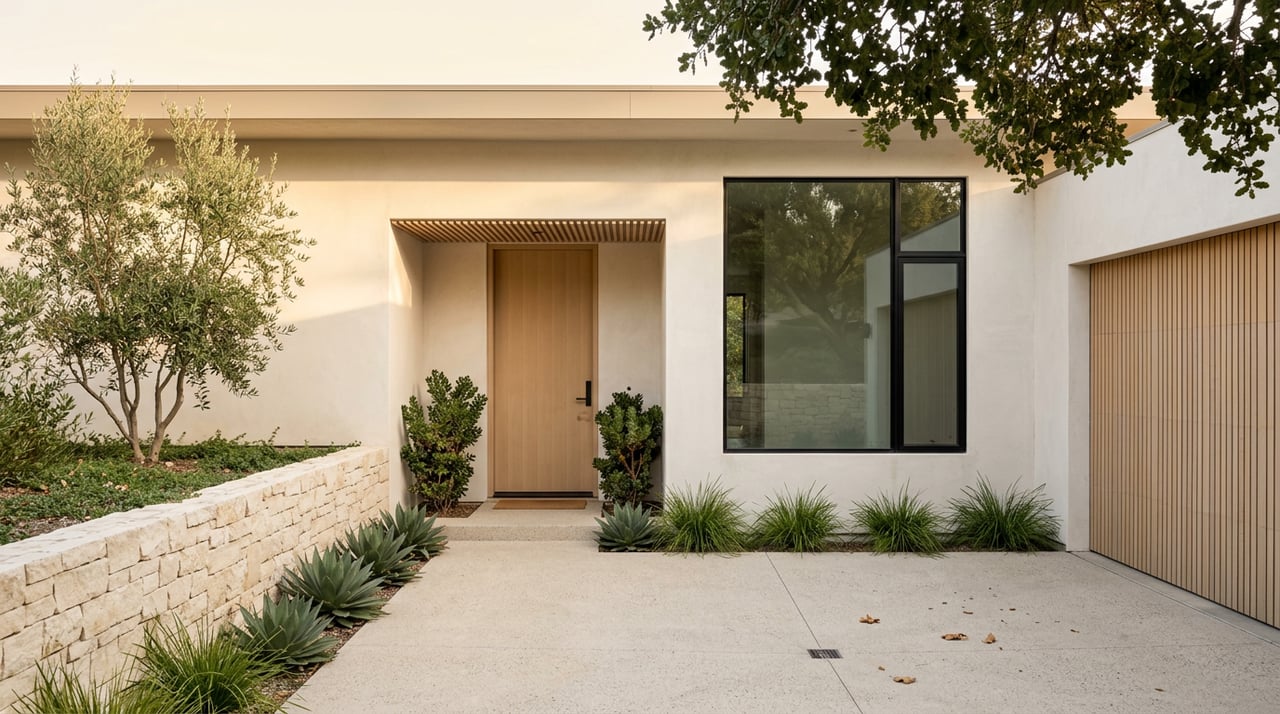
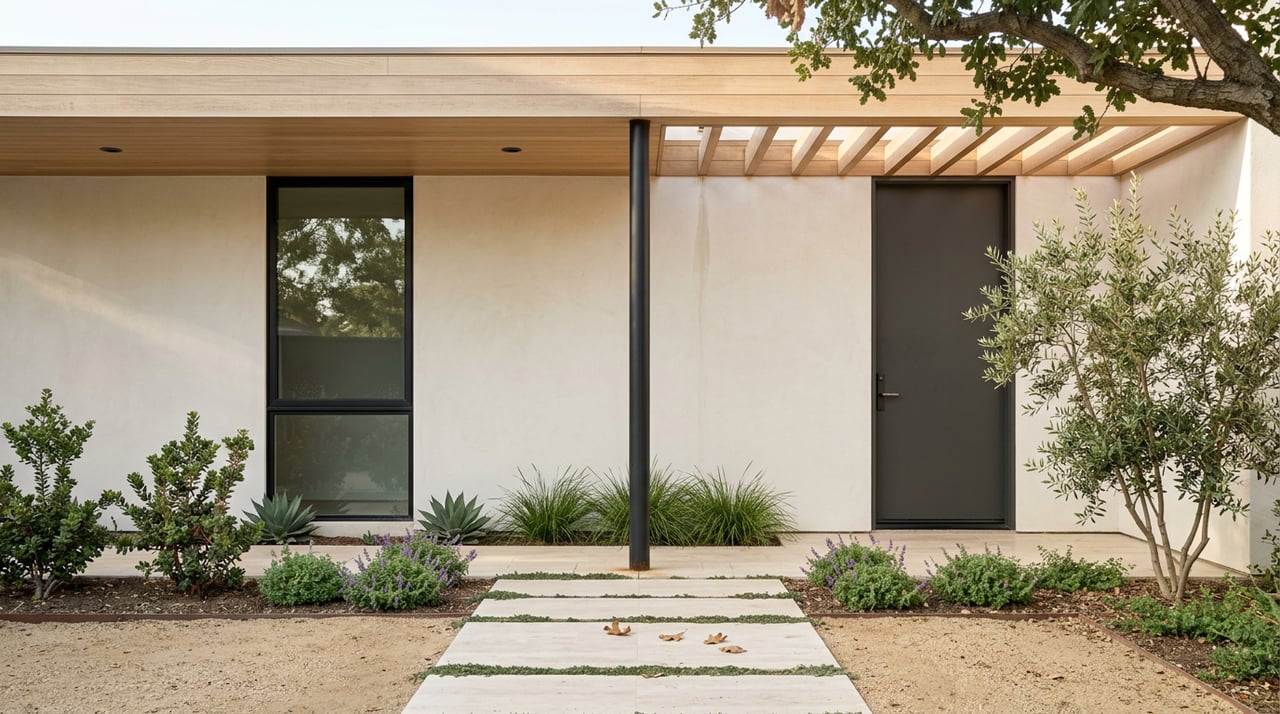
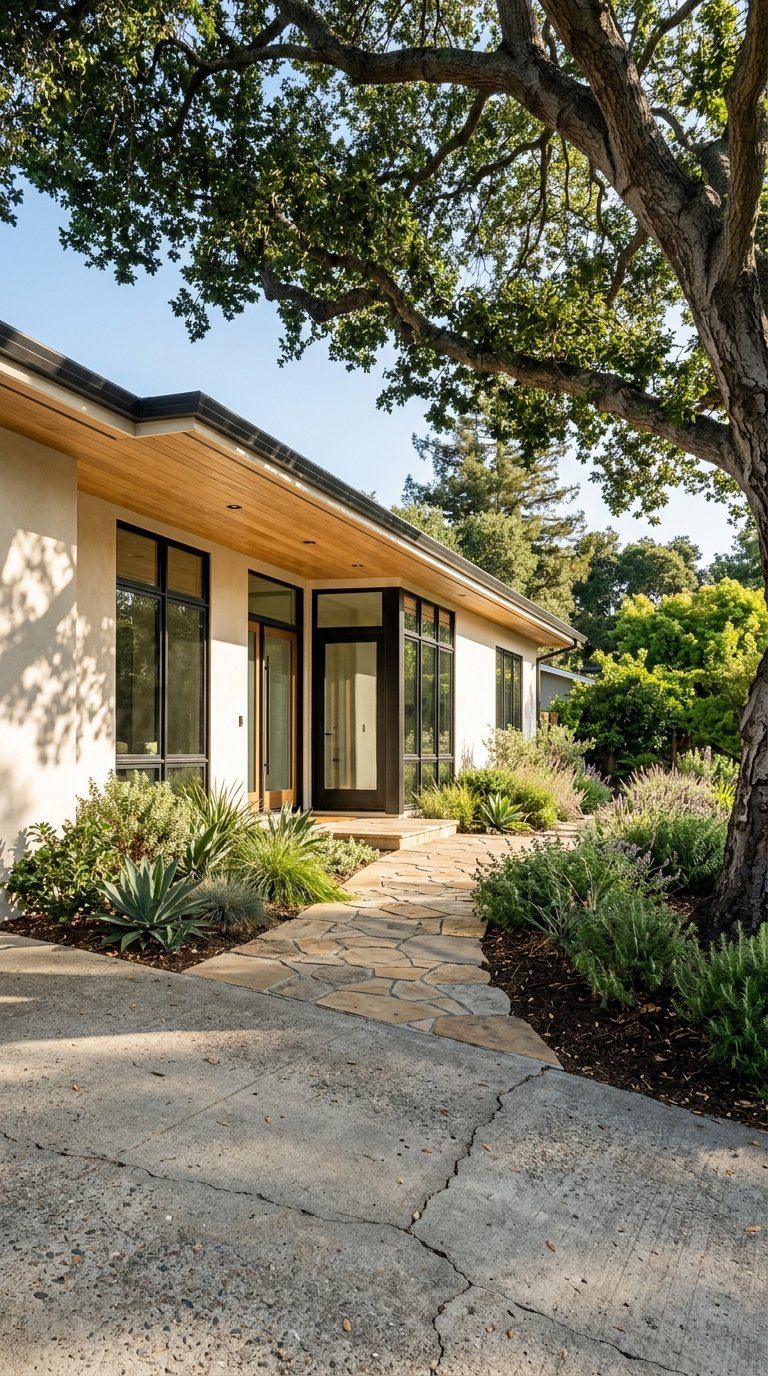
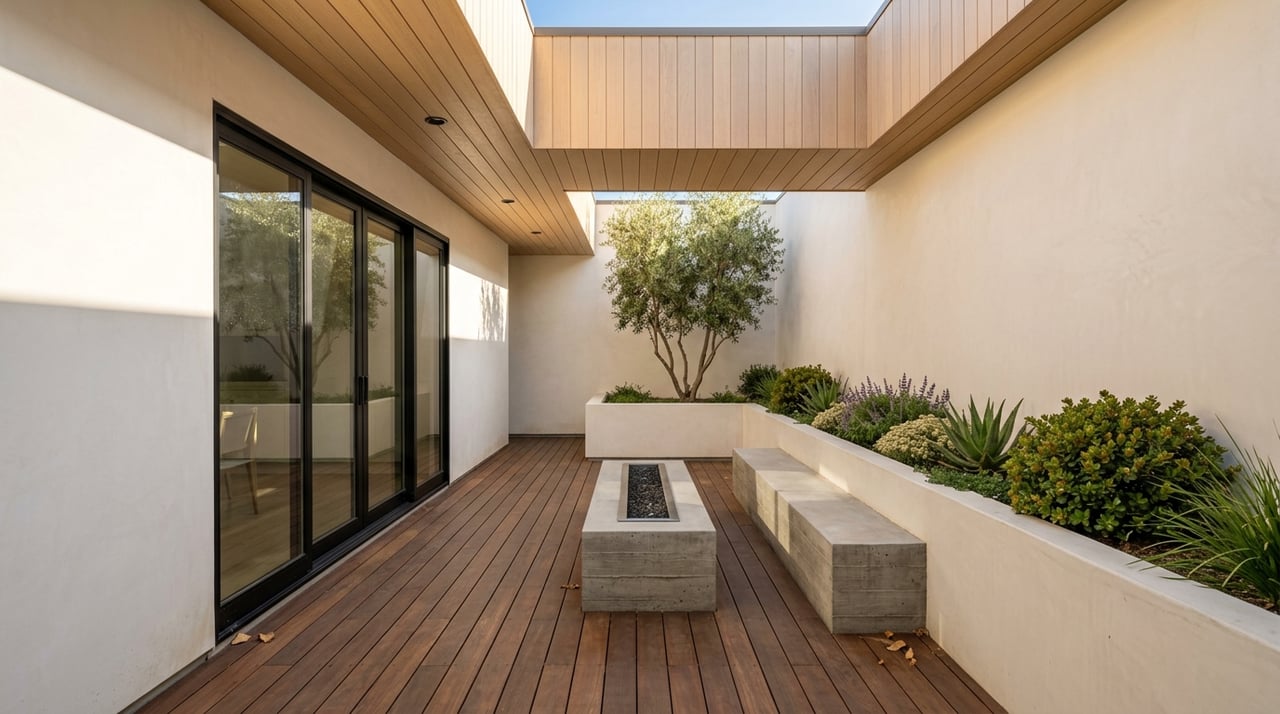
Most new builds offer open floor plans, larger primary suites, generous closets, and indoor‑outdoor flow. You also tend to see EV‑ready wiring, upgraded electrical panels, and smart‑home features. Kitchens are usually bigger or better designed, with room for entertaining.
You can expect fewer immediate repairs, but always plan for punch‑list items after move‑in. Reputable builders often provide written warranty packages, commonly called 1‑2‑10 coverage. Ask for full warranty terms and the claims process in writing. California’s Right to Repair framework (SB 800) also sets timelines and a pre‑litigation process for construction defects, which works alongside a builder’s warranty. You can review the statute text in the state’s records of the Right to Repair Act (SB 800).
New homes must meet current California Title 24 energy standards. Many new single‑family builds and detached ADUs in recent code cycles require photovoltaic systems, and homes are often wired for future electrification and battery readiness. These upgrades can lower operating costs over time. For an overview of the current energy standards, see the California Energy Commission’s guidance on Title 24 Building Energy Efficiency Standards.
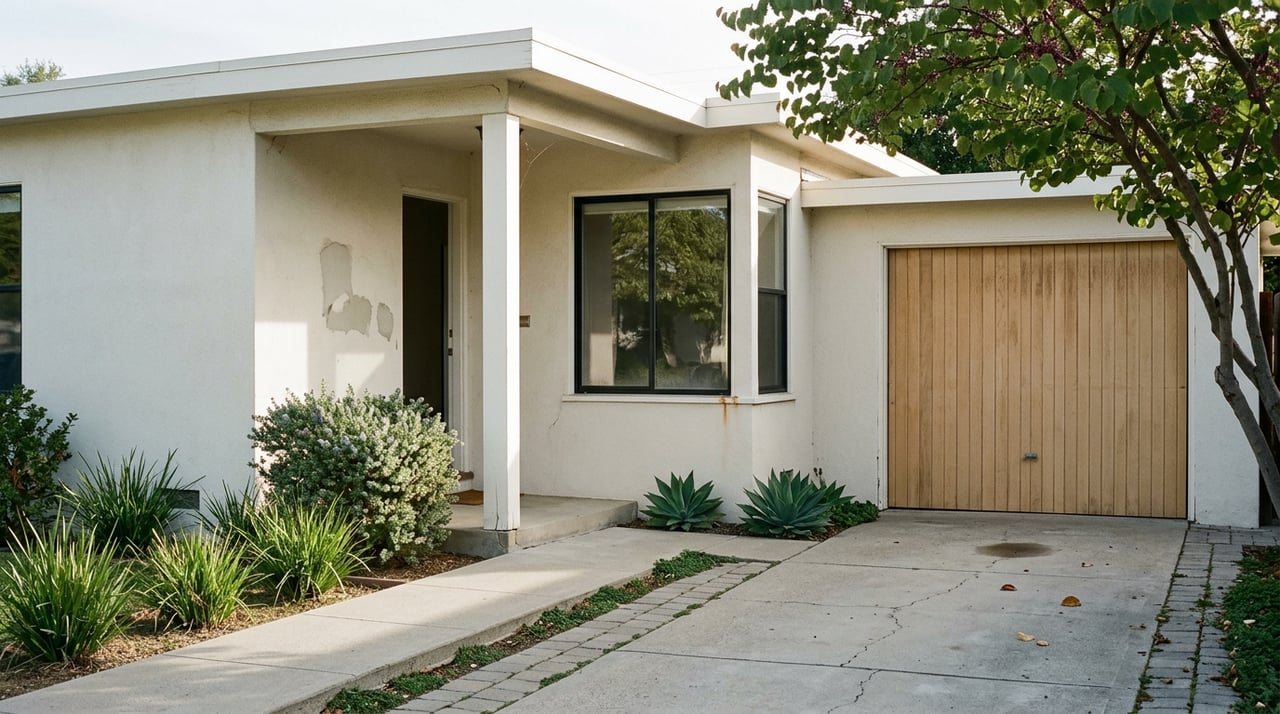
Studio City has a range of classic styles, from mid‑century and Spanish‑revival to traditional bungalows. Many older homes feature mature landscaping, higher ceilings, and original details. When preserved and thoughtfully updated with permits, character can be a real asset at resale.
Older homes often need capital improvements in the first few years. Common items include roofing, HVAC, electrical panel upgrades, sewer line repairs, and termite or wood‑destroying‑pest work. If the home predates 1978, you should also consider lead‑based paint rules and safe work practices. The National Association of Realtors provides an overview of lead‑based paint guidance for homes built before 1978.
Classic homes usually trail new builds on insulation, glazing, and mechanical efficiency unless they were modernized. An energy audit can highlight the biggest wins. You can retrofit systems, but you’ll balance cost against preservation of original features. Review state standards for context via the Title 24 Energy Standards page.
Unpermitted work is common in legacy neighborhoods. Always verify permit history and final approvals for additions, garage conversions, mechanical upgrades, and major remodels. The City of Los Angeles maintains searchable building records; use the city’s portal to search online building records and permits.
In addition to the standard purchase disclosures, California sellers complete a Transfer Disclosure Statement, and you will receive a Natural Hazard Disclosure and other required forms. For a consumer‑friendly overview, see this summary of California real estate disclosure laws. When in doubt, verify every major claim with city records.
New builds often command a premium for turnkey condition and modern systems. The size of that premium depends on recent comparable sales. When there are few nearby new‑home comps, appraisers may need to broaden the search radius or lean on the cost approach. For perspective on valuation methods, review this discussion of how appraisers handle limited comparable sales.
Poorly documented or unpermitted work usually reduces buyer demand and creates financing or insurance hurdles. That often shows up as price concessions or repair credits. If a listing mentions “remodeled,” ask for permits and final inspections to support the improvements. You can confirm status through the city’s online building records.
Hillside homes are a major part of Studio City’s appeal. If you are considering a hillside property or you see signs of settling, water intrusion, or prior repairs, add a structural or geotechnical review to your inspection plan. Multi‑unit buildings in Los Angeles may also be subject to the city’s mandatory soft‑story retrofit program. For background, review the city’s soft‑story file in the Los Angeles City Clerk record and request all engineering and permit documents from the seller.
New construction and major additions often trigger reassessment on the new portion of the property’s value, which can lead to supplemental tax bills. In Los Angeles County, these are prorated based on completion date and can arrive after closing. Read the County’s overview of supplemental property tax bills, and estimate your potential bill with the County Assessor’s supplemental tax calculator. Ask your lender whether they escrow for supplemental taxes or if you’ll be billed directly.
Use this quick list to compare properties and prepare strong, informed offers.
If you want turnkey living, modern energy features, and fewer near‑term projects, a new build can be a great fit. Confirm builder credibility and warranty coverage, and make sure the design and finishes align with resale expectations for the block.
If you value character and lot appeal and you are comfortable budgeting for system upgrades, a classic home can deliver long‑term satisfaction and strong resale, especially when renovations are fully permitted and well documented. The best choice is the one that supports your day‑to‑day lifestyle, risk tolerance, and time horizon.
When you are ready to compare options in Studio City, lean on a local team that handles permits, inspections, and pricing strategy every day. If you want a clear path from search to keys, connect with Team Amalia-K to get started.
Stay up to date on the latest real estate trends.
We pride ourselves on informing and educating our clients in order to make better real estate decisions. Contact us today to find out how we can be of assistance to you!
Get In Touch With Our Team To Learn More

Team Amalia-K
[email protected]
(818) 281-8407
Amalia Khachikian | CA DRE# 00989919
Tina Mansoorian | CA DRE# 02102141
Serli Tasci | CA DRE# 02047320
14141 Ventura Blvd # 8 Sherman Oaks CA 91423