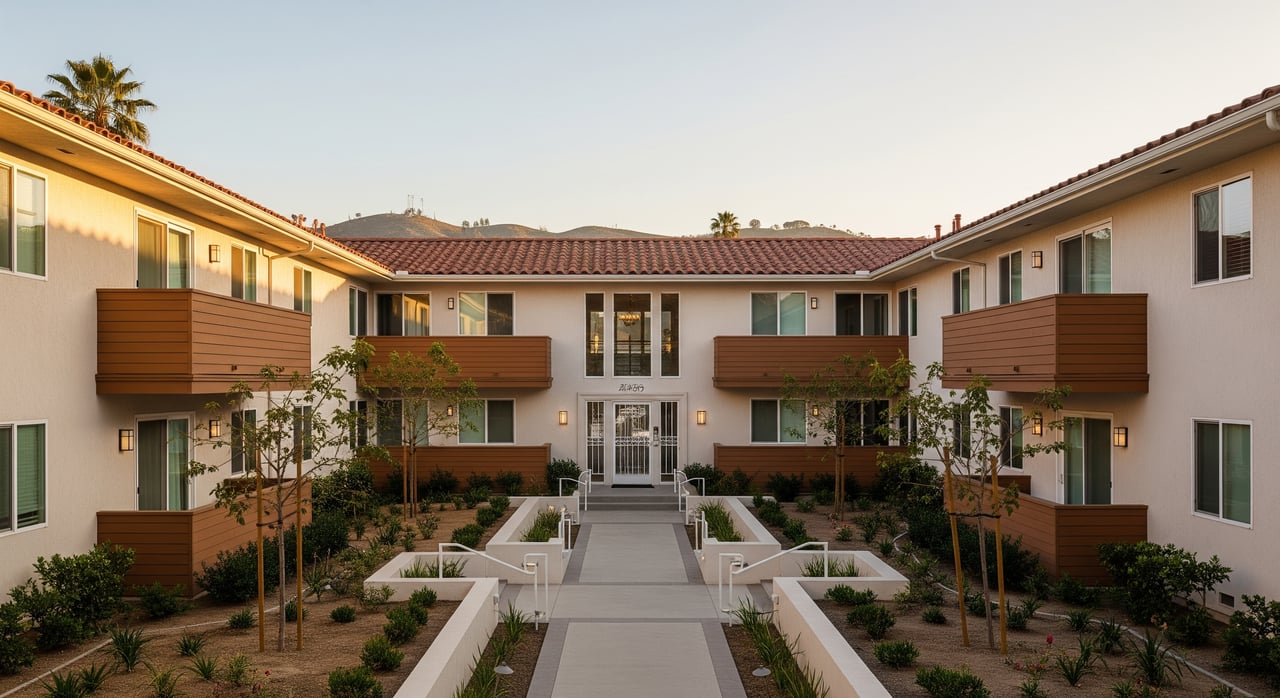
Van Nuys Rent Control Basics For Investors
December 11, 2025
December 11, 2025
Thinking about buying a rental in Van Nuys but unsure how rent control works here? You are not alone. Investors often find Los Angeles rules complex, especially when you factor in local and state laws. This guide breaks down the basics so you can underwrite with confidence, spot risks early, and plan a compliant strategy. Let’s dive in.
Van Nuys is a neighborhood within the City of Los Angeles. That means Los Angeles’s Rent Stabilization Ordinance, often called the RSO, can apply to many buildings here. California’s Tenant Protection Act, known as AB 1482, also applies across the state.
In practice, you compare both frameworks. The most protective rule for the tenant usually controls. Older multifamily buildings in Van Nuys are often governed by the RSO. Some other homes and newer properties may fall under AB 1482 or be exempt. Your first task is to confirm which law covers each unit.
The RSO primarily covers many multi-unit residential buildings in Los Angeles that meet an age or occupancy cutoff. Historically that has been buildings with a certificate of occupancy issued before October 1, 1978. Some property types, like most single-family homes and many condos, are generally exempt. Always verify at the address level and confirm the actual legal unit count.
AB 1482 sets rent caps and just-cause eviction standards for many non-exempt units statewide. It exempts newer construction for a period tied to building age, many single-family homes and condos in specific ownership situations, and some small property scenarios. Where the RSO applies, the RSO usually governs because it is more restrictive for those covered units.
For RSO-covered units, the City of Los Angeles publishes an allowable annual rent increase and related rules. The percentage can change year to year and comes with detailed procedures and exceptions. For AB 1482-covered units, the statute caps increases at 5 percent plus the local CPI, up to a maximum of 10 percent in any 12-month period. Make sure you check the current-year limits before modeling income.
Rent controls typically limit increases for current tenants, not the initial rent for a new lawful vacancy. In many cases you can set a new rent at market when a unit becomes vacant, then future increases follow the applicable rules for that unit. Confirm how vacancy decontrol works for your property and whether program restrictions or notices apply.
Both the RSO and AB 1482 require just cause for eviction on covered units. Examples include nonpayment of rent and material lease violations. Los Angeles has local procedures and timelines you must follow. Missing a step can affect your rights or lead to penalties.
Owner Move-In, or OMI, evictions exist in both legal frameworks but come with strict conditions. Expect rules about who can move in, minimum occupancy duration, notice requirements, and relocation assistance obligations. Certain ownership entities may not qualify for OMI.
Los Angeles requires relocation assistance for many no-fault evictions, including OMI, some demolitions, and Ellis Act withdrawals. The city publishes current amounts and eligibility tiers. You should budget for these payments in your underwriting and timeline.
Los Angeles allows regulated rent increases to recover qualifying renovation costs through Major Capital Improvements and Individual Apartment Improvements. These programs have specific eligibility rules, cost amortization schedules, annual caps, and tenant notice requirements. Approval is not automatic. You need documentation and careful compliance.
For significant work, you will often need permits and advance notice to tenants. Some projects may require temporary relocation with defined procedures. Plan timelines that reflect city approvals, tenant coordination, and possible rent impact limits.
The Ellis Act allows owners to remove units from the rental market. In Los Angeles, this triggers strict local notice, relocation assistance, and re-rental restrictions. Timelines and documentation are critical. Treat Ellis planning as a specialized process.
If you withdraw under Ellis and later choose to re-rent, local rules can limit rent levels or create tenant return rights for a period. Understand these constraints before you assume future upside.
The City of Los Angeles requires registration of covered rental units and payment of fees. Lack of registration can limit your ability to raise rents or enforce lease terms. Confirm status during due diligence and at closing.
AB 1482 requires owners of both covered and exempt properties to provide specific notices in certain situations. The RSO also has required disclosures. Keep your notice templates current and document delivery dates.
Tenants can file complaints with the city. Cases may lead to administrative hearings, fines, or orders to roll back rents and repay overcharges. Courts may impose additional damages for willful violations. Good records and consistent procedures are your best defense.
Underwrite using legal current rents, not market comps for vacant units. Model sensitivity for allowable increases, turnover timing, and relocation costs. Verify that all units are legal and registered. Illegal conversions can derail your returns and create liability.
Buildings with long-term tenants often trade at lower prices but limit near-term rent growth. A vacant or recently turned unit can reset to market more quickly. Decide which trade-off fits your goals and hold period.
Budget for code compliance, legal review, and potential disputes. If you plan capital work, build in the cost of permits, tenant coordination, and possible temporary relocations. Set aside a contingency for unexpected registration or notice issues.
You want clear answers and a compliant plan before you go into escrow. Our team works with local investors on rentals and small multifamily across the San Fernando Valley. We help you source properties, navigate due diligence, coordinate lease transitions, and connect you with trusted legal and permitting resources. If you value high-touch service with grounded local insight, let’s talk about your goals in Van Nuys and beyond.
Ready to invest with clarity and confidence? Connect with Team Amalia-K to map your next steps.
Stay up to date on the latest real estate trends.






We pride ourselves on informing and educating our clients in order to make better real estate decisions. Contact us today to find out how we can be of assistance to you!
Get In Touch With Our Team To Learn More

Team Amalia-K
[email protected]
(818) 281-8407
Amalia Khachikian | CA DRE# 00989919
Tina Mansoorian | CA DRE# 02102141
Serli Tasci | CA DRE# 02047320
14141 Ventura Blvd # 8 Sherman Oaks CA 91423