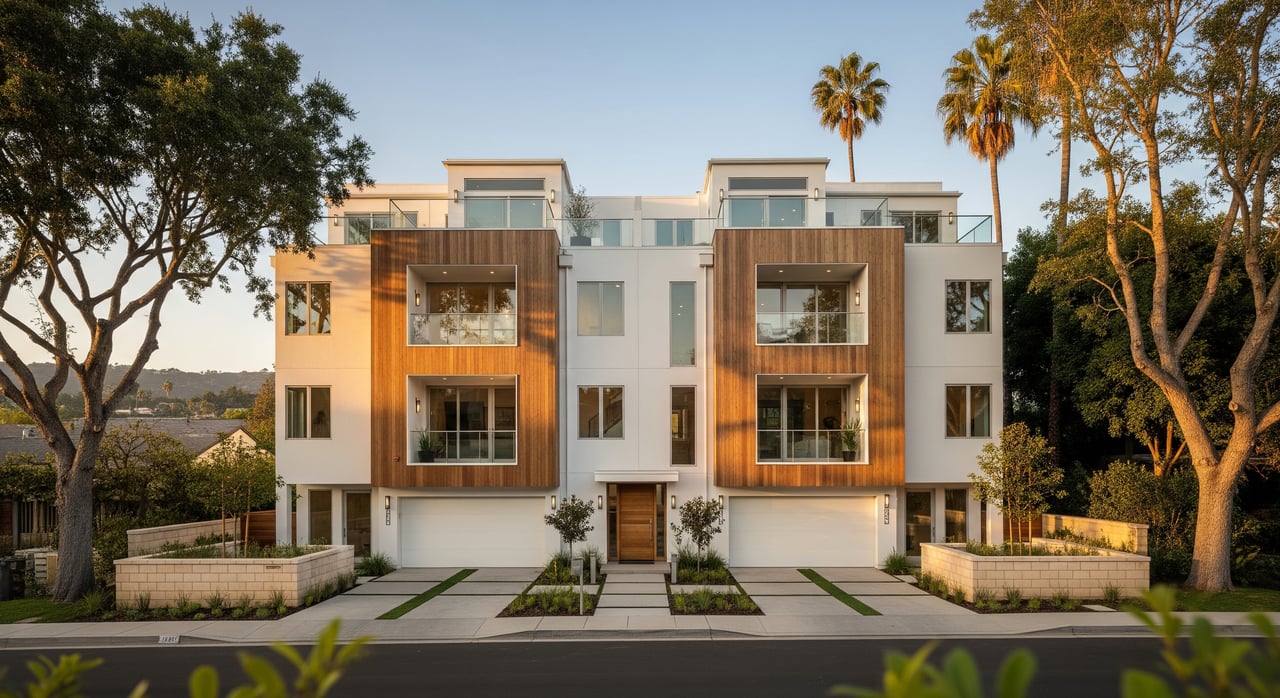
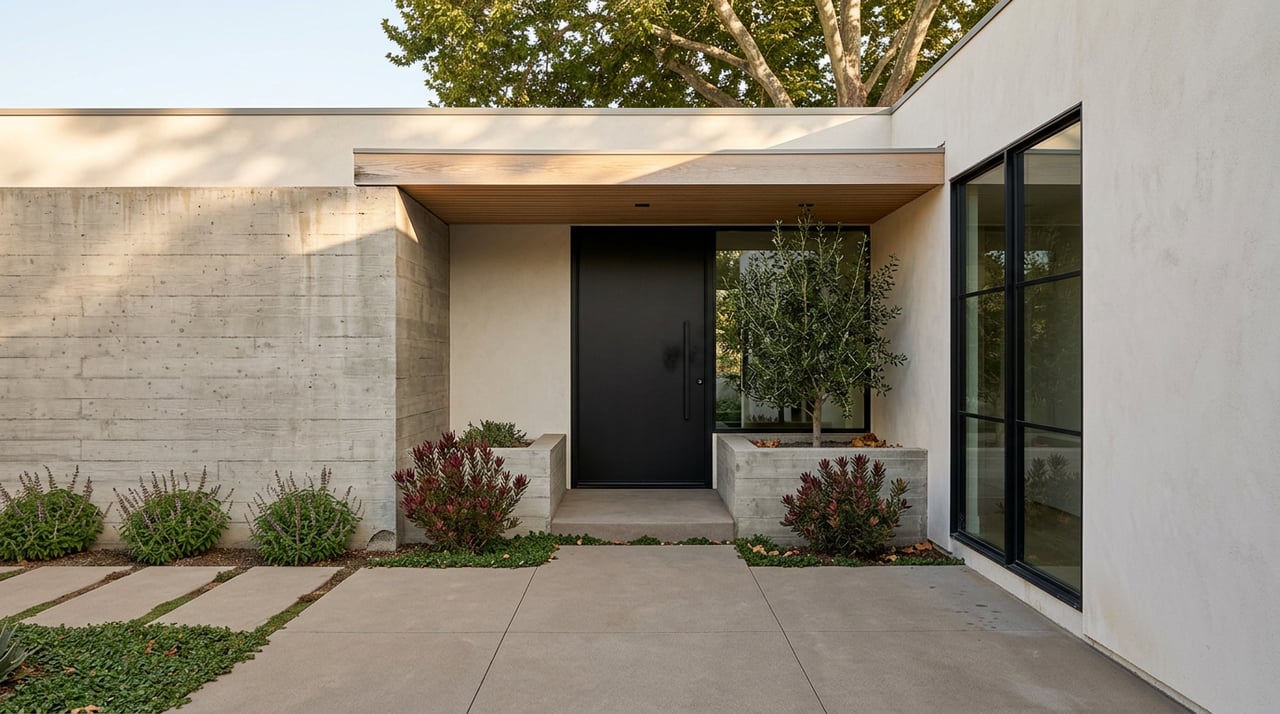
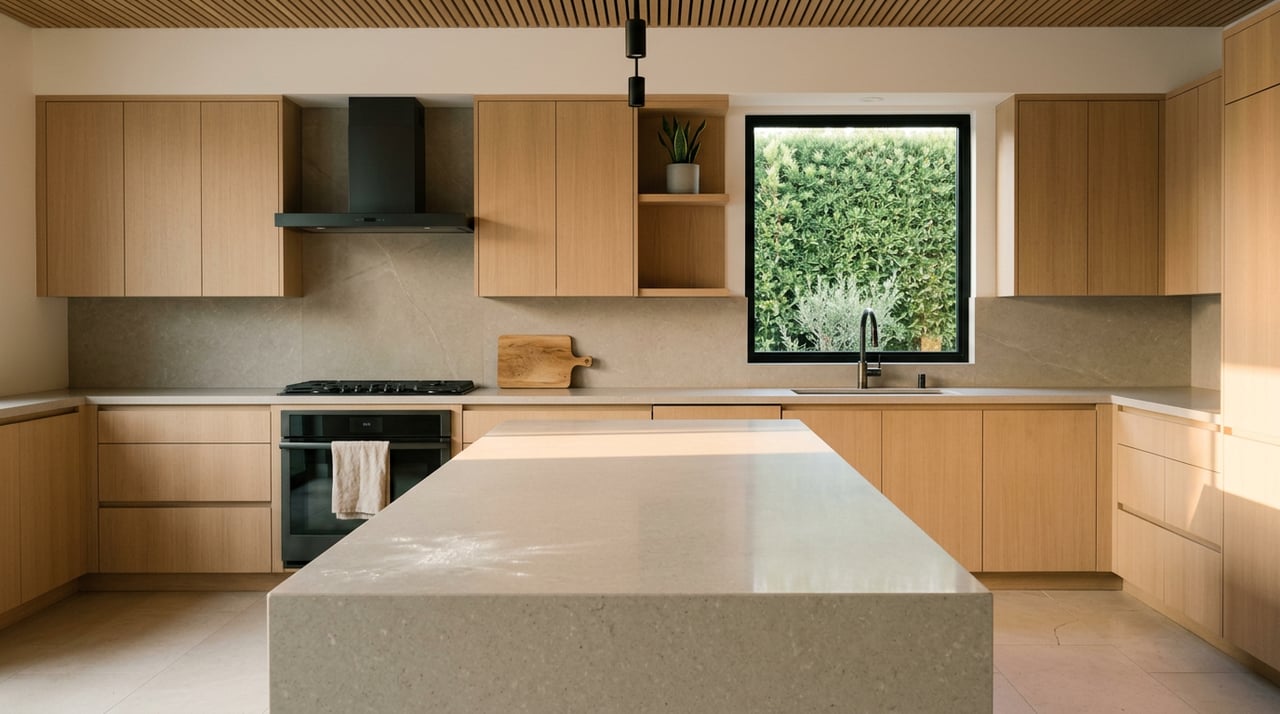
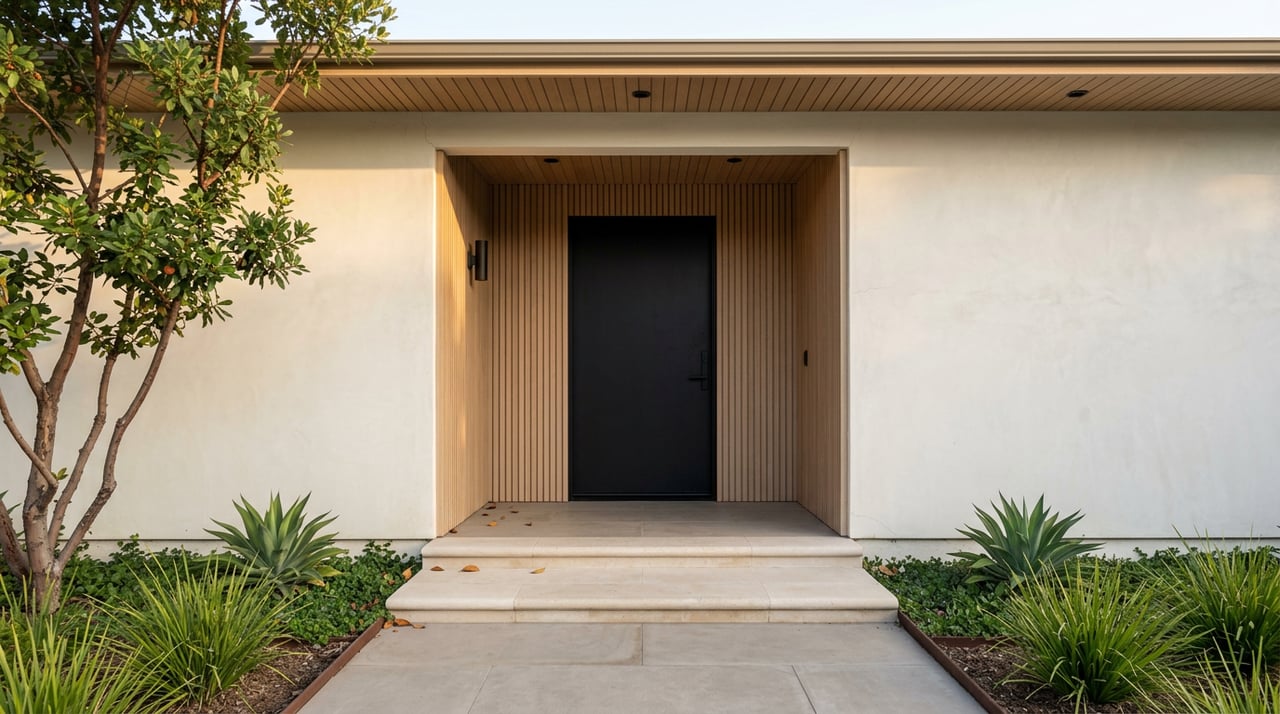
Thinking about a townhome in Encino? You are not alone. Townhomes offer space, convenience, and often a lower-maintenance lifestyle compared with single-family homes. If you want a smart way to live in a desirable San Fernando Valley location without taking on a big yard, this guide is for you. You will learn how Encino townhomes are defined, the real pros and cons, what drives pricing, and the steps to buy or sell with confidence. Let’s dive in.
What a townhome means in Encino
In Los Angeles, “townhome” usually describes a multi-level attached home with shared walls and an HOA. Many Encino townhomes are legally condominiums where you own the interior and a share of common areas. Some are part of a planned unit development, or PUD, where you may also own the land under your unit. The legal form affects ownership, insurance, lending, and HOA responsibilities, so you should confirm whether a property is a condo or PUD early in the process.
Encino at a glance
Encino sits along the 101 and near the 405, which makes commuting to Studio City, Sherman Oaks, and the Westside straightforward. The neighborhood has a mix of single-family homes, small condo buildings, and townhome communities. Demand is steady because of location, services, and relative affordability compared with nearby detached homes. Townhomes attract downsizers, first-time buyers, households that need more space than a typical condo, and investors.
Pros of Encino townhomes
- Lower maintenance: HOAs often handle exterior upkeep and common-area maintenance, which cuts down on homeowner chores.
- More space for the price: Many townhomes offer multiple levels, flexible layouts, and private patios while costing less than nearby detached homes.
- Amenities and security: Gated entries, pools, gyms, and landscaped grounds are common and add everyday convenience.
- Commuter-friendly locations: Many complexes sit close to Ventura Boulevard, retail, and freeway access.
- Yard compromise: You often get a small yard, patio, or roof deck for outdoor space without full yard work.
Cons to weigh
- HOA fees and rules: Monthly dues add to your budget and rules may restrict rentals, pets, or exterior changes.
- Special assessments: Underfunded reserves or big repairs can lead to one-time assessments that raise costs.
- Shared walls and noise: Sound transmission varies by building age and construction quality.
- Parking constraints: Guest parking and assigned spaces differ by complex and can affect day-to-day living and resale.
- Financing hurdles: Some condominium projects do not meet certain lender, FHA, or VA requirements, which can limit the buyer pool.
- Hazard exposure: Earthquake risk is regional, and hillside edges may face brushfire exposure. Review local hazard maps and disclosures for any property you consider.
Pricing in Encino
Pricing changes with interest rates, recent sales, and inventory. Instead of guessing, use a comp-based approach.
How to estimate value
- Pull recent closed sales from the last 3 to 6 months for similar units in Encino.
- Match key features: bedroom and bathroom count, size, building age and type, parking, outdoor space, and condition.
- Compare price per square foot, but adjust for floor plan quality, updates, and HOA fee levels.
- Account for premiums: newer construction, two-car garages, private yards, and strong amenities can push prices higher.
What drives price
- Layout and size: Three-bedroom units and those with more baths tend to command higher prices.
- Parking: Direct-access garages often outperform carports or single covered spaces.
- Outdoor space: Private patios, yards, or roof decks add value.
- Condition: Renovated kitchens, baths, flooring, and HVAC reduce buyer friction and support higher pricing.
- HOA profile: Lower dues and well-funded reserves are attractive; known assessments can weigh on value.
Monthly costs to plan
- HOA dues: Fees vary widely by community and amenities. Review budgets and reserve studies to understand what dues cover and whether increases are likely.
- Property taxes: In California, base property tax is roughly 1 percent of assessed value. New purchases are reassessed at the purchase price, and local assessments can add a few tenths of a percent.
- Insurance: The HOA’s master policy covers common areas. You will typically need an HO-6 policy for a condo or a homeowners policy for a PUD. Earthquake coverage is separate and worth evaluating in Los Angeles.
- Utilities and extras: Some utilities for common areas are included in HOA dues. Check for any special district or Mello-Roos taxes in newer developments.
Financing basics
- Project approval: For condos, verify whether the complex meets lender guidelines and, if needed, appears on applicable approval lists. Lack of approval can limit government-backed loan options.
- Down payment: Conventional loans for condos and townhomes often require 10 to 20 percent down, depending on occupancy and lender standards.
- Reserves and litigation: Lenders may review HOA reserves, insurance, and any active litigation, which can affect underwriting.
- Title and parking: Confirm the legal status of parking spaces or garages, including any assigned or deeded spots.
Inspections and HOA review
- Home inspection: Even in attached housing, inspect interiors, plumbing, electrical, and appliances.
- Pest and termite: Termite reports and treatments are routine in Los Angeles County.
- Roof and systems: If roofing is a common element, review HOA records on roof age and planned replacements.
- Noise and construction: Ask about sound transmission, past complaints, and any acoustic upgrades.
- HOA documents: Read the CC&Rs, rules, budget, reserve study, insurance certificates, and meeting minutes for the last 12 months. Look for rental caps, pet policies, and any planned assessments.
Buyer checklist
- Get pre-approved and confirm your lender accepts the project type.
- Review recent Encino comps for your target complex and nearby communities.
- Read the HOA budget, reserves, CC&Rs, and meeting minutes for red flags.
- Verify parking and storage assignments in writing.
- Order full home and pest inspections; request roof and HVAC age information.
- Review hazard disclosures, including earthquake and brushfire zones.
- Confirm rental rules if you plan to rent now or later.
Seller checklist
- Secure the HOA resale package, move-in and move-out rules, and estoppel if required.
- Gather the last two years of HOA budgets and the reserve study.
- Complete California disclosures, including Transfer Disclosure Statement and Natural Hazard Disclosure.
- Address minor repairs that impact buyer confidence, such as HVAC service or plumbing fixes.
- Provide maintenance records and any proof of recent HOA capital projects.
- Price using the most recent comps from your building or similar nearby complexes.
Notes for investors
- Rental rules: Many HOAs limit the number of rental units or require minimum lease terms. Short-term rental policies vary and may be restricted.
- Tenant protections: The City of Los Angeles has tenant protections that can affect leasing and rent increases. Factor this into your numbers.
- Cash flow: Model HOA dues, insurance, taxes, and reserves. Plan for special assessments in older associations.
Final thoughts
Encino townhomes offer a practical blend of space, convenience, and location. If you balance HOA costs with your need for amenities and verify the legal and lending details early, you can buy or sell with confidence. When you want tailored comps, HOA insight, and a clear plan for pricing or offers, connect with a local team that lives and works these streets every day. To get started, reach out to Team Amalia-K for a personal game plan and on-the-ground guidance.
FAQs
What is the difference between a condo and a PUD townhome in Encino?
- A condo owner typically owns the interior and a share of common areas, while a PUD owner may also own the land under the unit, which can affect insurance, maintenance, and lending.
How do HOA dues for Encino townhomes typically vary?
- Dues vary widely based on amenities and building age, from modest fees in smaller associations to higher dues in complexes with pools, gyms, elevators, and lush landscaping.
Are Encino townhomes eligible for FHA or VA financing?
- Some are, but eligibility depends on the project’s approval status and lender requirements, so verify approval and underwriting criteria early in your loan process.
How are property taxes calculated on an Encino townhome?
- New purchases are generally assessed at the purchase price, with a base tax around 1 percent plus local assessments that can add a few tenths of a percent.
What inspections should I order for a townhome purchase in Encino?
- Get a full home inspection, pest and termite report, and review HOA records for roof age, planned repairs, reserves, and any history of noise or water intrusion.
Do Encino townhomes face earthquake or wildfire risks?
- Earthquake risk is regional in Los Angeles, and hillside edges can have brushfire exposure, so review hazard disclosures and consider separate earthquake insurance.
What affects resale value for Encino townhomes the most?
- Layout and size, parking type, outdoor space, interior updates, HOA dues and reserves, and location near amenities and transit tend to drive buyer demand and pricing.