Thinking about a duplex, triplex, or a small apartment building in Van Nuys? You are not alone. Investors are drawn to the Valley’s steady renter demand, accessible price-per-unit, and hands-on scale. In this guide, you will see current pricing and rent ranges, how to build a simple pro forma, the local rules that shape returns, and a clear checklist for due diligence. Let’s dive in.
Why small multifamily in Van Nuys
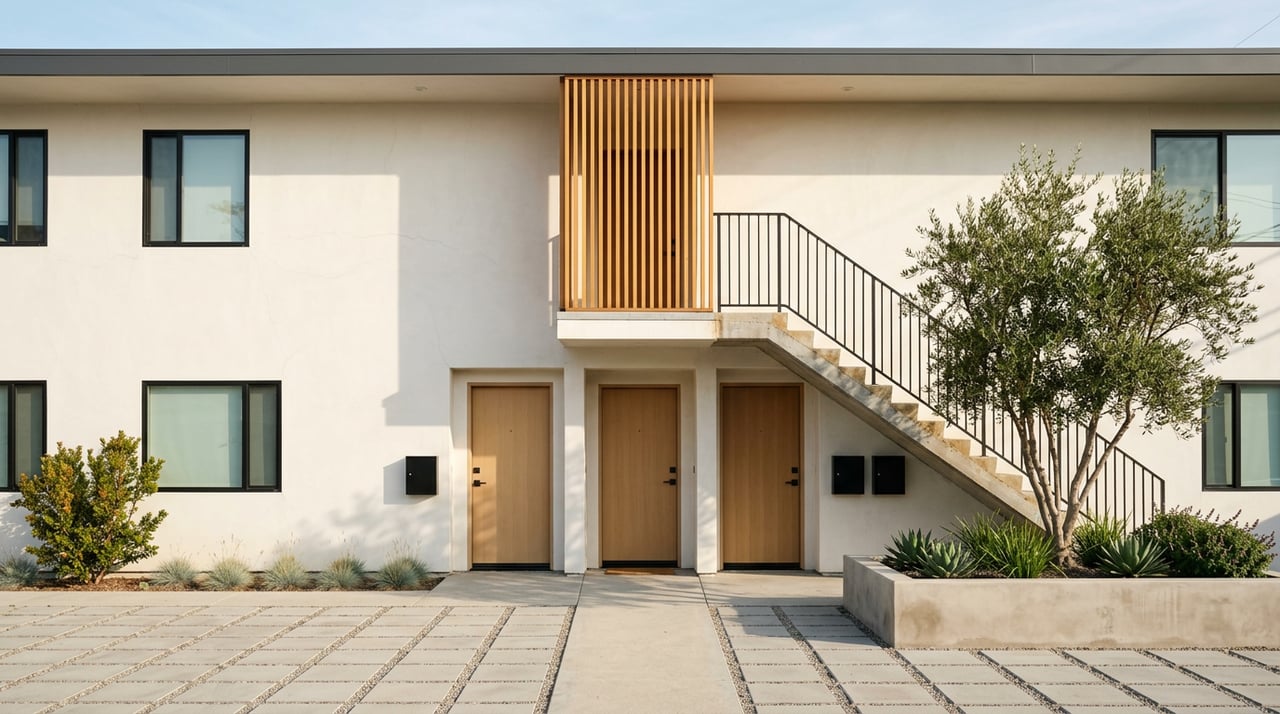
Van Nuys offers a wide inventory of mid-century 2 to 20 unit properties, often with solid bones and value-add potential. Many assets trade at price points that keep down payments and rehab budgets manageable compared with core Los Angeles submarkets. The neighborhood’s asking rents typically sit below citywide averages, which helps demand across economic cycles.
If you want hands-on control without taking on a 50-unit building, a Van Nuys duplex, fourplex, or small apartment can be a smart entry point.
What properties cost and earn now
- Pricing: Recent San Fernando Valley and Van Nuys reporting shows typical small multifamily sales in the high $100k to low $300k per unit range. A Q2 2025 Valley benchmark came in around $286k per unit, with lower-tier value-adds often in the $175k to $200k per unit zone and stabilized Class B closer to the top of the range. Review current comps before you write an offer. Matthews’ regional report provides useful context.
- Rents and vacancy: Average asking rent in Van Nuys has hovered near $1,800 to $1,830 per unit, with 1-bedrooms often in the $1,800 to $1,900 range and 2-bedrooms trending higher depending on condition. Recent vacancy has been in the low to mid single digits, with new Class A deliveries possibly nudging vacancy at the top end. See the Van Nuys market brief for the latest reads.
- Cap rates: Small multifamily in the SFV generally trades around 4.5% to 6% depending on asset class and condition. Value-add properties often show higher going-in cap rates than stabilized Class A.
Bottom line: Expect many Van Nuys small multifamily opportunities to list around $175k to $300k per unit, with pro formas built on cap rates near 4.5% to 6% and average asking rents around $1.8k depending on unit mix and upgrades.
How to underwrite a Van Nuys deal
Build a simple pro forma
- Gross Scheduled Rent (GSR). Add up in-place or market rents and multiply by 12 months.
- Vacancy and collection loss. For stabilized small multifamily in Van Nuys, 3% to 5% is a common starting point. Use 6% to 10% if you plan a value-add reposition. See recent vacancy context in the Van Nuys report.
- Other income. Parking, laundry, storage, and pet fees add up.
- Effective Gross Income (EGI). EGI equals GSR minus vacancy plus other income.
- Operating expenses. Include property taxes, insurance, repairs and maintenance, utilities you pay, management, turnover, legal, admin, advertising, and capital reserves. A quick screen uses the 50% rule for small properties, then refine with quotes. Learn more about the 50% rule from BiggerPockets.
- Net Operating Income (NOI). EGI minus operating expenses.
- Estimate value. Divide NOI by a market cap rate or compare to recent comps in Van Nuys.
Local expense anchors to use
- Property taxes. California’s base rate is about 1% of assessed value plus local assessments. Many LA County effective rates fall near 1.0% to 1.3%. Confirm the exact Tax Rate Area for your APN. See the Los Angeles County tax overview.
- Management. If you outsource, budget 4% to 10% of collected rent depending on size and service level.
- Insurance and utilities. Insurance varies by coverage and risk profile. Build this from quotes.
- Repairs, maintenance, and reserves. Older Van Nuys buildings often need higher reserves. Plan $1,500 to $4,000 per unit per year for capital reserves and turns. Industry studies place a typical full turn at $2,000 to $4,000 per unit depending on scope. See a recent overview of turn costs in this property management analysis.
Sample 4-unit scenarios
The averages matter, but sensitivity matters more. Here is a simple illustration using a 4-unit building with market rents based on Van Nuys averages, $1,200 per year in other income, and varying assumptions.
| Scenario |
Key assumptions |
Est. NOI |
Indicative value |
| Conservative |
Rent $1,800; 7% vacancy; 50% expense ratio; 6.0% cap |
~$40,776 |
~$680,000 |
| Baseline |
Rent $1,834; 5% vacancy; 45% expense ratio; 5.5% cap |
~$46,657 |
~$848,000 |
| Upside |
Rent $1,875; 3% vacancy; 40% expense ratio; 5.0% cap |
~$53,100 |
~$1,062,000 |
Small changes to vacancy, expenses, or cap rate move value a lot. Always replace the placeholders with the rent roll, real quotes for insurance and management, and a cap rate derived from current Van Nuys comps.
The rules that shape returns
Most small multifamily in Van Nuys is mid-century construction, which often means local rent control and added filing duties. This can be the single biggest driver of long-term cash flow.
Los Angeles Rent Stabilization Ordinance (RSO)
- The RSO generally covers residential buildings first occupied on or before October 1, 1978, which includes many duplexes, triplexes, and small apartment buildings in Van Nuys.
- The RSO limits annual rent increases for covered units and sets relocation assistance and other procedures for certain no-fault evictions.
- Always confirm coverage during diligence using LAHD resources. Start with the city’s overview of what is covered under the RSO.
Citywide renter protections and just cause
- Los Angeles has expanded renter protections citywide, including just-cause standards, filing requirements, and relocation assistance triggers for certain rent increases or terminations.
- Filing with LAHD may be required for many eviction notices. Non-compliance can derail a notice and add risk.
- Review the city’s Just Cause for Eviction ordinance and the Renter Protections hub before you acquire.
California AB 1482 (state cap and just cause)
- For many non-RSO units, AB 1482 limits annual rent increases to 5% plus local CPI, capped at 10%, and adds a statewide just-cause standard.
- Some property types are exempt. Confirm both local and state coverage for the exact parcel. See the official bill text.
New enforcement programs
- The city has added enforcement and filing programs that can affect non-RSO buildings. These rules can trigger relocation payments or new administrative steps.
- Owners of post-1978 assets should not assume they are exempt from filings or fees. See an overview of recent changes from a local trade group here.
Acquisition checklist for Van Nuys
Work through these items before you remove contingencies:
- Confirm RSO and city just-cause status. Use LAHD resources and cross-check parcel data. Start with the RSO coverage page.
- Scrub the rent roll. Verify leases, deposits, tenancy length, any LAHD filings, and any notices already served.
- Taxes. Pull recent tax bills and confirm the Tax Rate Area. Model 1.0% to 1.3% of value until you have the exact rate. Reference the LA County tax guide.
- Physical systems. Inspect roofs, plumbing, electrical, HVAC, water lines, and any seismic or soft-story work. Budget CapEx conservatively for older buildings.
- Local rent comps. Gather 3 to 6 active comps by unit type and condition. Use broker market briefs for absorption and concession trends. The Van Nuys market report is a good starting point.
- Market cap rate cross-check. Compare your NOI to current neighborhood cap rates and recent price-per-unit comps. You can view a representative Van Nuys comp example here.
Lease-up and day-to-day operations
- Leasing speed. Clean, well-presented units marketed with accurate pricing and quality photos tend to lease faster. A local, multilingual leasing team that can communicate clearly with applicants can reduce vacancy days and misunderstandings.
- Screening and notices. Los Angeles requires strict compliance with notice forms and filing steps for many actions. Review current city guidance on just-cause rules and filings before you post or serve anything.
- Turnover planning. Build a realistic turn budget and timeline. Industry surveys place full turn costs commonly in the $2,000 to $4,000 range per unit, depending on scope. See a summary of benchmarks here.
Common red flags to watch
- Heavily rent-controlled tenancy at low in-place rents that limits near-term upside unless you plan a long hold.
- Deferred maintenance on major systems that forces higher reserves and lowers immediate NOI.
- New or evolving local filing and relocation requirements that introduce fees or one-time costs if not followed. See a recent enforcement overview here.
Work with a local, investor-savvy team
You get the best results when your advisors know the San Fernando Valley block by block. Our team has decades of local experience with rentals, small multifamily, and investor transactions, backed by Berkshire Hathaway HomeServices distribution and a high-touch boutique approach. We also offer Armenian and Farsi language support to keep communication clear during acquisition and lease-up.
If you are exploring a duplex, fourplex, or a small apartment building in Van Nuys, connect with Team Amalia-K for pricing guidance, comps, and a step-by-step plan from offer through first lease.
FAQs
What are typical price-per-unit ranges for Van Nuys small multifamily?
- Recent market reporting shows many sales around $175k to $300k per unit, with a Q2 2025 San Fernando Valley benchmark near $286k per unit and value-add assets trading lower. See the regional survey.
What cap rate should I use to value a Van Nuys 4 to 12 unit building?
- Local small multifamily often trades around 4.5% to 6%, with higher caps for older or value-add deals and tighter caps for stabilized assets. Cross-check with current comps and the Van Nuys market brief.
How do LA rent rules affect my pro forma in Van Nuys?
- Many mid-century properties are covered by the RSO, which limits rent increases and sets relocation rules, and citywide just-cause rules now apply broadly; verify coverage with LAHD using the RSO guide and just-cause page.
What vacancy and expense ratios should I assume?
- For stabilized assets, vacancy in Van Nuys often underwrites at 3% to 5%; use 6% to 10% for value-add plans, and an expense ratio of 40% to 55% for small, older properties until you replace with line-item quotes. See market context here and a 50% rule primer.
How should I budget property taxes on a new purchase?
- Model 1.0% to 1.3% of value for LA County until you confirm the parcel’s exact Tax Rate Area and current assessments. Review the county tax overview.