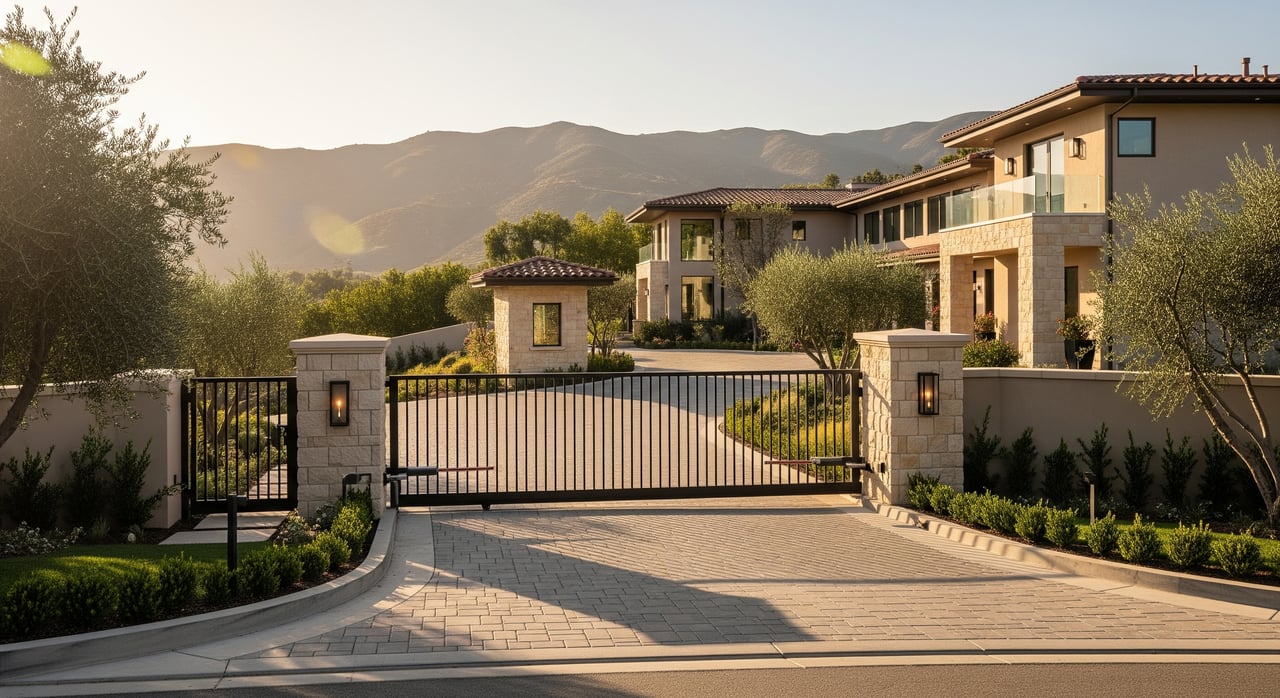
Selling a home in a guard-gated Porter Ranch community comes with an extra stack of paperwork. If you plan ahead, that paperwork can protect your sale timeline and your bottom line. If you wait, it can stall escrow and create last‑minute stress. You want a clear, simple path that keeps buyers confident and closings on schedule.
This guide breaks down what HOA disclosures include in California, which documents matter most in Porter Ranch gated neighborhoods, and when to request everything so you avoid delays. You will also get a practical pre‑listing checklist and answers to common questions sellers face. Let’s dive in.
What HOA disclosures cover in California
California’s disclosure and record rules for common interest developments come from the Davis‑Stirling Common Interest Development Act. In plain terms, your association must maintain certain records and, on written request and payment of any required fee, provide a resale disclosure or estoppel certificate that summarizes items affecting title and use.
The resale packet typically includes governing documents, financials, insurance summaries, and a statement of assessments, delinquencies, special assessments, and any pending litigation. Owners and their authorized agents have the right to inspect association records. Associations may charge reasonable fees for preparing the packet and for copies, and they follow set procedures for delivery.
The key takeaway for you as a Porter Ranch seller is timing. Associations have a short statutory window to deliver the resale documents after receiving a proper request and fee. That clock only starts when the association has what it needs. Starting early keeps your closing on track.
The core HOA packet for Porter Ranch gated homes
Every association’s packet looks a little different, but most guard‑gated Porter Ranch communities include the sections below. Use this as your working checklist and review guide.
Governing documents you will receive
- CC&Rs (Covenants, Conditions & Restrictions). These set the land‑use and membership rules, including maintenance obligations, architectural control, potential rental limitations, pet rules, and enforcement. Buyers use this to understand what they can and cannot change.
- Articles of Incorporation and Bylaws. These explain how the association operates, including director elections, officer roles, voting rights, and meetings. Buyers often ask about voting power and how changes get approved.
- Rules & Regulations. These cover daily items such as parking, gate access, amenity use, contractor hours, and noise. Rules are updated more frequently than CC&Rs, so read them closely.
What to watch in Porter Ranch: Architectural guidelines and contractor rules can be strict in guard‑gated enclaves. If you made exterior changes, have your approval letters and permits handy.
Financial backbone to review
- Current operating budget and latest financial statements. These show monthly dues and operating costs. Buyers want to see stable dues and transparent expenses.
- Reserve study or update. This reveals the funding plan and schedule to repair or replace long‑term items, such as private roads, gates, pool equipment, and slopes.
- Assessment history and current status. The resale certificate states your regular assessment amount, any delinquencies tied to your unit, and any approved or proposed special assessments.
What to watch in Porter Ranch: Security staffing and gate equipment are common high‑cost line items. Hilly terrain and landscaped slopes can add to reserve needs. Look for reserve adequacy and near‑term capital projects that could affect dues or trigger assessments.
Minutes, notices, and upcoming actions
- Minutes of recent board meetings, often the last 12 months. These show decisions, projects in progress, and friction points such as contractor disputes or enforcement actions.
- Notices of rule changes, proposed budgets, or upcoming member votes. These can affect dues or use rights soon after you go under contract.
What to watch in Porter Ranch: If a vote on a special assessment or CC&R amendment is scheduled, expect buyer questions and potential requests to adjust timing or terms.
Insurance and key contracts
- Insurance summary for the master policy. This covers property, liability, and fidelity, with deductibles. The scope affects the division of responsibility between the association and individual owners.
- Management agreement. This confirms whether a professional management company handles operations and provides the contact for disclosure requests.
- Major vendor contracts. Security, gate operations, landscaping, pool maintenance, and CCTV services are often material contracts in guard‑gated neighborhoods.
What to watch in Porter Ranch: Security contracts often have annual price escalators and may include capital needs for gate hardware. These costs can drive dues or special assessments.
Physical and title items
- Easements, road maintenance agreements, and shared infrastructure. Confirm who maintains private roads and gate structures and whether there are shared obligations.
- Architectural guidelines and application forms. These outline standards and the process for approvals.
- Occupancy and rental policies. These may set minimum lease terms or owner‑occupancy ratios.
What to watch in Porter Ranch: Guest parking and gate access rules can be specific. Buyers appreciate clarity on visitor procedures and parking limits.
Legal and litigation disclosures
- Notices of pending litigation or judgments affecting the association. Construction defects, vendor disputes, or insurance claims can change risk and cost.
- Code enforcement or building department orders affecting common areas.
What to watch in Porter Ranch: Any known litigation is a major disclosure item. If an issue could impact assessments or insurance, flag it early with your agent.
Timing: when to order and why it matters
The resale packet and estoppel certificate have statutory timing tied to the association’s receipt of your written request and any required fee. That means the earlier you start, the less likely you are to delay escrow. Here is a practical timeline to follow.
Ideal pre‑listing timeline
- Two to three weeks before going live: Request the resale packet and confirm what is included. Ask for CC&Rs, Articles, Bylaws, Rules, current budget, the last two years of financials, the most recent reserve study, and the last 12 months of board minutes.
- One to two weeks before going live: Review vendor and security contracts, insurance summaries, and any notices of pending votes or assessments. Resolve or plan for any fines or violation notices.
- Launch week: Prepare a concise seller summary for your agent to share with buyers. Highlight dues, reserve study date, and any known projects. Keep source documents ready in your disclosure folder.
Minimum timing if you are already in escrow
- Immediately upon contract acceptance: Submit the written request for the resale packet and estoppel certificate. Provide the association with any required info and fees so the statutory delivery window starts.
- Within the first week of escrow: Confirm delivery dates with the management company and let your buyer’s side know when to expect documents.
- Before contingencies are due: Make sure minutes, reserve study, and insurance summaries have been delivered and reviewed. If new information surfaces, send supplemental disclosures promptly.
Pre‑listing checklist for move‑up sellers
Use this quick list to keep your sale on track:
- Order the resale or estoppel certificate as you go to market. Ask what the packet includes and what turnaround to expect.
- Gather CC&Rs, Articles, Bylaws, Rules, the current budget, the last two years of financial statements, the latest reserve study, and the last 12 months of board minutes.
- Verify your owner account status. Clear unpaid assessments, fines, or violations or prepare to disclose and resolve through escrow.
- Review major contracts, especially security and gate operations, for pricing escalators or planned upgrades.
- Identify easements or private road obligations that could prompt questions.
- If litigation or significant deferred maintenance exists, coordinate disclosure language with your agent and, if needed, legal counsel.
Common pitfalls that delay closings
Even well‑prepared sellers can stumble on timing and details. Avoid these preventable issues:
- Waiting to request the resale packet until late in escrow. Associations follow statutory business days for delivery, which can push your timeline.
- Discovering a pending special assessment or major capital project after contract acceptance. Buyers may seek credits or schedule changes.
- Overlooking fines or unresolved architectural violations tied to your unit. Title and escrow often require these to be cleared.
- Relying on oral assurances about restrictions. CC&Rs and written rules control rights and obligations.
- Ignoring reserve adequacy. An outdated or thin reserve fund can signal near‑term assessments.
Porter Ranch specifics to watch
Porter Ranch gated communities share several traits that matter for disclosures and buyer confidence:
- Security and gates. Guard staffing contracts, gate hardware, and CCTV systems are recurring costs and capital needs. Expect to see these as major budget items and in the reserve plan.
- Hilly terrain and landscaping. Slope stabilization, paving, and irrigation can increase maintenance costs. Reserve studies should address these components clearly.
- Parking and guest access. Visitor policies, contractor hours, and guest parking limits are common rules. Buyers want to know the day‑to‑day procedures.
- Professional management. Many associations use management firms that prepare resale packets and handle record requests. Confirm who to contact and expected turnaround.
- Environmental disclosures. Regional events increased buyer sensitivity to accurate environmental and natural hazard disclosures. Make sure standard disclosure forms are complete and consistent with association records and minutes.
How your agent should support this process
Your agent should help you request the right documents early, review for red flags, and frame the information for buyers. With a structured launch process and steady communication, you can prevent small issues from becoming deal risks.
At Team Amalia-K, you get local expertise in San Fernando Valley communities, a high‑touch listing process, and franchise‑backed marketing reach. We coordinate with your association and management company, organize your disclosure set, and prepare buyer‑ready summaries that keep momentum steady. Our multilingual service can also help you communicate clearly across stakeholders.
Next steps
If you plan to list in a Porter Ranch gated neighborhood, start your HOA request now. Confirm the packet contents, review minutes and the reserve study, and clear any fines or violations. With the right prep, you will reduce surprises and give buyers confidence from day one.
Ready to sell with a smoother path to closing? Contact Team Amalia-K for a pre‑listing consultation and a clear plan for HOA disclosures.
FAQs
What is included in a California HOA resale packet?
- You can expect CC&Rs, Articles, Bylaws, Rules, current budget and financials, the latest reserve study or update, insurance summaries, minutes, and a resale or estoppel certificate with assessment status.
How long do Porter Ranch HOAs take to deliver disclosures?
- Associations have a short statutory window that begins after they receive your written request and fee, so submit early to keep escrow on schedule.
What if my account has fines or violations when I sell?
- Clear them before listing if possible or disclose them upfront and plan for resolution through escrow so title is not delayed.
How do security and gate contracts affect my sale?
- Security staffing and gate equipment often drive dues and reserves; buyers review these costs and timelines, so be ready with contract summaries and the latest reserve study.
Can I rent out my Porter Ranch home after selling to an investor?
- Rental rules vary by association; the CC&Rs and Rules will state any minimum lease terms or occupancy limits that apply to future owners.
How do special assessments impact closing?
- If an assessment is approved or proposed, it must be disclosed; buyers may negotiate responsibility and timing, and lenders may ask for documentation before funding.