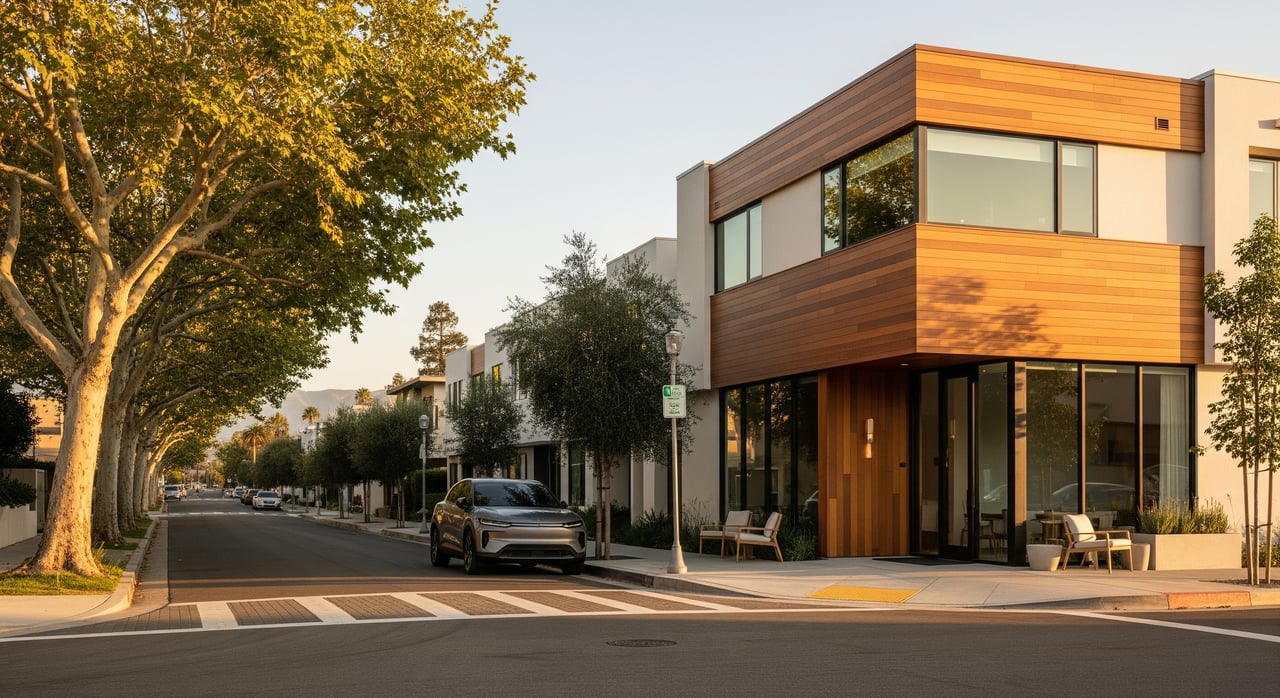
Your Guide to Valley Village Walkability and Daily Life
December 4, 2025
December 4, 2025
Can you leave the car at home most days in Valley Village? If you picture quick coffee runs, daycare drop-offs, park time, and reliable transit all within a short walk, you are asking the right questions. Everyday walkability is about how easy your routine can be on foot and how that fits your lifestyle, time, and budget. In this guide, you will learn what walkability looks like in Valley Village, how to measure it for a specific address, and how it can shape buying and selling decisions. Let’s dive in.
Valley Village is a small, mostly residential pocket in the eastern San Fernando Valley. It sits close to lively commercial corridors and major transit in nearby North Hollywood and Studio City. That mix means walkability changes block by block. Homes near busy corridors tend to have more errands within a short walk, while interior streets are quieter and more car-oriented.
When we say everyday walkability, we mean reaching the places you use often in 5 to 20 minutes on foot. Think grocery, coffee, pharmacy, daycare, parks, schools, and transit. It is not about long recreational hikes. It is about how you live day to day.
Walkability has a few parts that matter to buyers and sellers. It includes proximity to useful destinations, the quality of sidewalks and crossings, traffic and personal safety, topography, and transit connections that extend your reach without a car. You want both nearby places and a comfortable path to get there.
Tools like Walk Score, Transit Score, and Bike Score offer a quick snapshot of how many amenities sit within an easy walk. They are helpful as a first check. Scores can miss small local businesses or recent changes, so treat them as a starting point and confirm on the ground. For Valley Village, scores usually reflect stronger walkability near commercial strips and transit, and lower walkability on interior blocks.
On the ground, small details make a big difference. As you evaluate a home, scan for:
These features shape how easy and safe your walk feels, especially with a stroller, mobility aid, or kids in tow.
Los Angeles has open tools that add context while you plan your visit:
These resources do not replace an in-person walk test, but they help you focus on the most relevant routes and blocks.
Ventura Boulevard and the service streets just off it collect many of the daily shops, services, and restaurants that make quick errands possible on foot. Homes within a short walk of these corridors often enjoy the strongest everyday walkability. If you are deeper inside Valley Village, plan to walk farther for a grocery or pharmacy, or combine walking with a short transit ride.
Parks and pocket parks are part of everyday life for many residents, especially families and dog owners. When you tour a home, note the nearest green spaces and how you would reach them on foot. A shaded, direct route can make after-school or after-dinner outings more realistic, even on warm days.
Even if a station sits just outside the neighborhood boundary, a 10 to 20 minute walk can bring regional transit into your routine. The North Hollywood station on Metro’s B Line connects you to Hollywood, Downtown LA, and beyond. The G Line busway runs east-west across the Valley with frequent service. Local bus routes fill in the gaps and can make a two-mile trip feel much closer. Map your 5, 10, and 20 minute walking radii to see which stops and destinations fall into everyday range.
Los Angeles runs a citywide Vision Zero program to reduce severe injuries and fatalities. The high-injury network usually includes major arterials where people drive faster and crossing distances are longer. In Valley Village, note your crossings on those streets and look for signals, leading pedestrian intervals, or median refuges. Use Vision Zero resources to understand where the city focuses safety improvements.
City programs led by LADOT fund crosswalks, curb ramps, traffic calming, and sidewalk work across Los Angeles. Neighborhood councils sometimes submit requests for spot improvements or lighting. Before you buy or list, check recent or planned upgrades with LADOT and the council office. A single new crossing or signal timing change can shorten a daily route by several minutes.
Blocks near transit and commercial corridors often see more multifamily and mixed-use development over time. Infill projects can add nearby retail and shorten walking distances. They can also increase foot traffic and create new parking patterns. For a fuller picture, review land use and proposals in ZIMAS and plan your walking routes around likely changes.
Across many markets, higher everyday walkability often aligns with stronger buyer demand and can support higher sale prices. National analyses and Walk Score research point to a positive correlation, though local results vary. In Valley Village, homes near Ventura Boulevard or frequent transit typically have broader appeal for buyers who prioritize short errands and flexible commutes.
Walkability is not the only driver of value. Parking, lot size, layout, and neutral factors like proximity to parks and schools also shape pricing. Use walkability as one part of a full market picture.
Walkable micro-markets often attract renters who want shorter commutes and easy access to services. For investors, that can support rent premiums or steadier occupancy. Evaluate rent rolls and tenant preferences alongside transit access and the range of daily amenities within a 10 to 15 minute walk.
Use this simple checklist on your next tour:
Show buyers how your home connects to daily life on foot:
A quick way to visualize everyday options is to draw three circles around a sample address.
Use this framework to compare one listing to another. It makes lifestyle trade-offs easy to see.
Beyond convenience, regular walking supports your health. The CDC highlights the benefits of walking, including improved fitness and reduced risk of chronic conditions. Even short, daily trips add up. When your errands are an easy walk, you are more likely to keep moving without carving out extra gym time.
You deserve clear, local guidance that fits how you live. Our team is based on Ventura Boulevard and serves Valley Village and the greater San Fernando Valley. We combine deep neighborhood knowledge with a high-touch, boutique approach. For buyers, we map real walking routes during tours and show you how transit and daily amenities fit your routine. For sellers, we build concise amenity and walking-time highlights into your listing package and marketing.
If you are thinking about a move, we would love to help you evaluate walkability alongside pricing, timing, and your next-step goals. Connect with Team Amalia-K to get started.
Stay up to date on the latest real estate trends.

We pride ourselves on informing and educating our clients in order to make better real estate decisions. Contact us today to find out how we can be of assistance to you!
Get In Touch With Our Team To Learn More
Team Amalia-K
[email protected]
(818) 281-8407
Amalia Khachikian | CA DRE# 00989919
Tina Mansoorian | CA DRE# 02102141
Serli Tasci | CA DRE# 02047320
14141 Ventura Blvd # 8 Sherman Oaks CA 91423