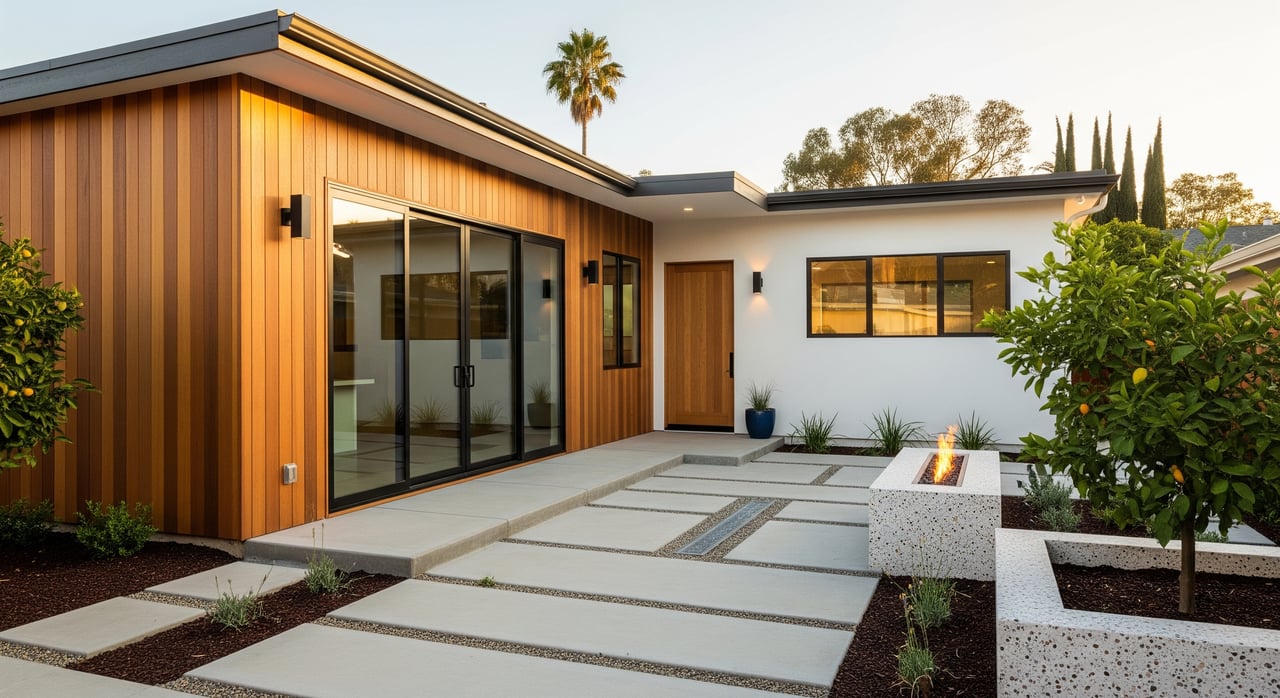
Burbank ADU Rules, Costs, and Permit Basics
November 27, 2025
November 27, 2025
Thinking about adding an ADU to your Burbank property, or buying a home that already has one? You’re not alone. ADUs can unlock rental income, create space for family, and boost long-term value. In this guide, you’ll learn the rules that apply in Burbank, what permits and timelines look like, and realistic cost ranges so you can plan with confidence. Let’s dive in.
An accessory dwelling unit is a self-contained home on the same lot as a primary residence. It can be detached, attached, or created by converting existing space like a garage. A junior ADU is a smaller unit created within an existing single-family home that usually shares utilities with the main house.
Under California law, cities must allow ADUs and JADUs that meet objective standards and review them ministerially. You can review statewide guidance from the California Department of Housing and Community Development for how ADUs work across the state and what cities must allow.
State rules limit how cities can restrict ADUs. That includes caps on parking requirements near transit or for conversions, streamlined review timelines for qualifying projects, and limits on impact fees for smaller units. Owner-occupancy rules have also been eased under state law for many ADUs. Burbank must follow these standards while applying local, objective design and safety rules.
For local procedures, check the city’s Planning Division and related departments:
ADUs are generally allowed in most Burbank residential zones, including many single-family and multifamily areas. On a typical single-family lot, state law allows at least one ADU and, in many cases, one JADU if other standards are met. Multifamily properties can often add more than one ADU, subject to local limits and site constraints. Always confirm your specific parcel and any overlay zones with Burbank Planning.
Size limits vary by city, but state law provides important baselines. JADUs are usually capped at 500 square feet. Many detached or attached ADUs can go up to 1,200 square feet, though the exact limit depends on local rules and your lot.
Setbacks are also guided by state law. Many cities allow reduced side and rear setbacks for detached ADUs, commonly around 4 feet. Converting existing structures, such as a garage, often allows you to keep the current footprint with minimal new setbacks. Height and design standards will follow your zone or Burbank’s objective ADU standards.
Parking rules are limited under state law. You may not need new parking if your ADU is near public transit or you are converting existing space like a garage. If parking is required, Burbank’s ordinance will define how many spaces and where they can be placed.
Utility connections vary by project. Some ADUs share meters; others use separate meters. Water, sewer, electric, and gas connection requirements depend on your plan and site capacity. Expect separate reviews and possible connection or capacity fees, especially for larger new ADUs. Start early with Burbank Water and Power and the city’s departments to understand your site’s needs.
Burbank can apply objective design standards such as roof pitch, window placement, or materials. Your ADU must also meet California Building Code and fire-safety requirements. If your property is in a historic district or has a designated historic resource, you may face additional review. Environmental factors, protected trees, hillside conditions, and stormwater rules can also shape your design and budget.
Here is a typical path and who you’ll work with along the way:
Timelines vary. Simple conversions can move faster. Detached new-build ADUs with new utilities often take longer. As a planning estimate, permitting can range from a few months to 6–12 months for more complex projects, with construction time on top of that.
Costs depend on size, scope, site conditions, and finishes. Treat the ranges below as estimates and get local bids.
Plan for soft costs, which commonly add 10 to 25 percent. These include design, engineering, surveys, permits, and utility connection fees. Build in a contingency for surprises like drainage fixes, seismic upgrades, or tree protection.
You have several options to fund an ADU. Each has tradeoffs, rates, and documentation needs.
Speak with lenders early to size your budget and timeline, then compare terms from multiple sources.
Many Burbank owners use ADUs for long-term rentals. You must follow local business license and habitability rules. Short-term rentals are often regulated more strictly. Review Burbank’s short-term rental ordinance and registration requirements before listing an ADU on any platform.
A well-designed ADU can increase a property’s market appeal and potential value. Rental income can help offset carrying costs, but rents and vacancy rates change over time. If you plan to sell, clear permits, good workmanship, and smart design can make your home stand out.
If you are buying a home with an ADU, verify permits, final inspections, and whether utilities are separate or shared. Ask for plans and approvals, and confirm current or past rental status. This helps you understand operating costs, insurance, and expected income.
Best practices
Pitfalls to avoid
If you are ready to explore an ADU, start with a quick planning check and a budget outline. From there, you can scope your design, confirm costs with contractors and utilities, and prepare your submittal. When you are weighing ADU value, rental potential, or a purchase that includes an ADU, you deserve local guidance that is practical and clear.
Have questions about how an ADU could affect your home’s value or a future sale in Burbank? Reach out to Team Amalia-K. We will help you size the opportunity and plan your next step with confidence.
Stay up to date on the latest real estate trends.

We pride ourselves on informing and educating our clients in order to make better real estate decisions. Contact us today to find out how we can be of assistance to you!
Get In Touch With Our Team To Learn More
Team Amalia-K
[email protected]
(818) 281-8407
Amalia Khachikian | CA DRE# 00989919
Tina Mansoorian | CA DRE# 02102141
Serli Tasci | CA DRE# 02047320
14141 Ventura Blvd # 8 Sherman Oaks CA 91423