Woodland Hills East West Homes: Compare Both Sides
July 23, 2026
July 23, 2026
Choosing between east and west Woodland Hills can feel simple at first, until you start touring homes and realize the area offers two very different day-to-day experiences. If you are trying to figure out where your budget, lifestyle, and housing goals fit best, the east versus west comparison is a useful place to start. The good news is that you do not need a perfect boundary line to make a smart decision. You just need to understand how locals usually frame the area and what that means for you. Let’s dive in.
The east versus west split in Woodland Hills is more of a local shortcut than an official city boundary. A practical reference point comes from LAPD Topanga Area maps, which separate Woodland Hills into areas east of Topanga Canyon Boulevard and west of Topanga Canyon Boulevard.
That matters because Topanga is often the clearest line buyers and sellers use in everyday conversations. It helps you compare home types, amenities, and commute patterns without treating the area like a strict map with hard rules. In real life, Woodland Hills works best as a street-by-street search.
City Planning places Woodland Hills within the broader Canoga Park-Winnetka-Woodland Hills-West Hills Community Plan Area. The community generally stretches north and south of the 101 Freeway, with Mulholland Drive as the rough southern edge, Victory Boulevard as the northern edge, and Corbin Avenue as the eastern edge.
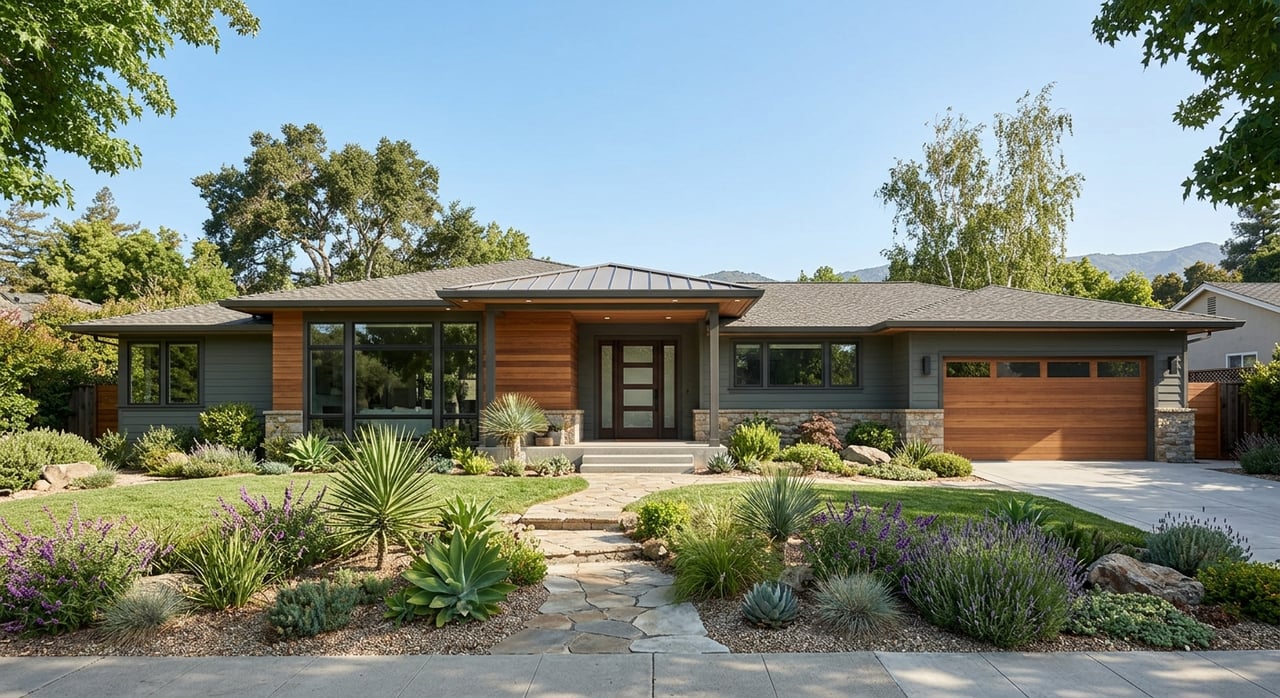
East of Topanga, Woodland Hills tends to line up with older detached homes and more architectural character. This pattern is not a formal city designation, but it is a reasonable takeaway from local planning and historic resource records.
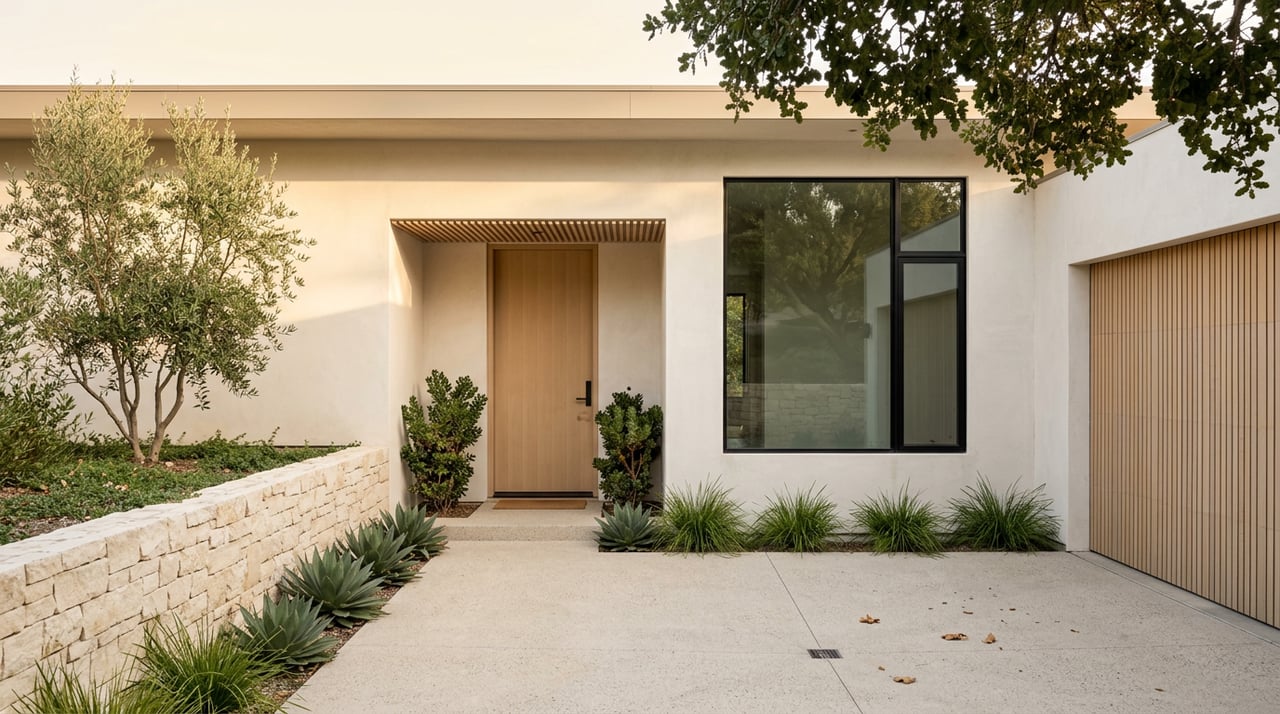
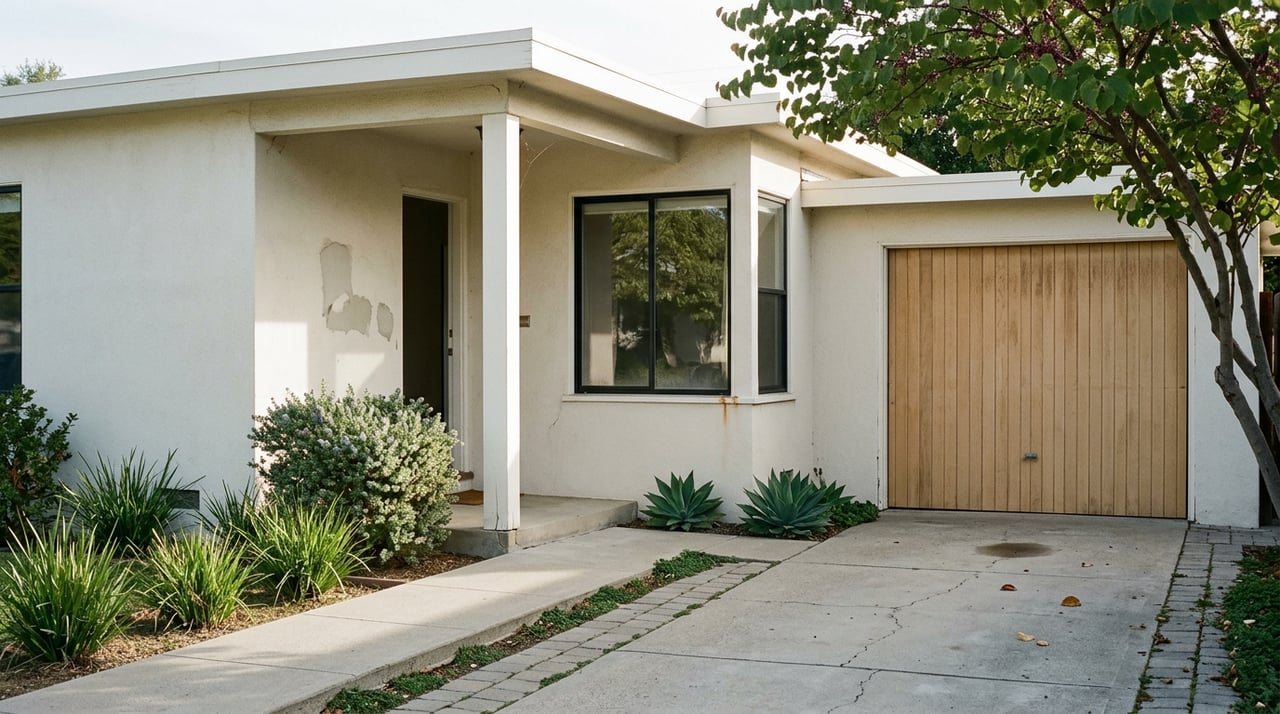
Several postwar neighborhoods in Woodland Hills are recognized for their 1950s-era development. City historic surveys identify areas such as Corbin Palms, Eastwood Estates and Fieldstone Series, and Woodside as neighborhoods with Mid-Century Modern or ranch-style homes, standardized parcels, detached carports, and original tract features.
If you are drawn to single-family living, this side of Woodland Hills may feel more familiar and more residential. You may find homes with original design details, established streetscapes, and a layout that supports more separation from nearby commercial activity.
For many buyers, that translates into a search focused on privacy, detached-home living, and the appeal of older architecture. For sellers, it can mean marketing a home’s layout, lot use, and design character in a very intentional way.
Topography is also part of the picture. City Planning says hillside areas make up roughly 30% of the Southwest Valley community plan area, and most of those hillside areas sit south of Ventura Boulevard.
That means some east-side and south-of-Ventura home searches include hillside properties with a very different feel from flatter tracts. Access, lot shape, and day-to-day driving patterns can vary more in these areas, so it helps to look closely at each block rather than assume every home functions the same way.
West of Topanga, the housing mix shifts in a more urban direction, especially around Warner Center. This is the part of Woodland Hills that often feels more connected to newer multifamily, condo, apartment, and mixed-use development.
Warner Center is the main subdistrict behind that pattern. The Warner Center 2035 Specific Plan covers a 1.5-square-mile regional center bounded by the Los Angeles River, the Ventura Freeway, De Soto Avenue, and Topanga Canyon Boulevard, and City Planning describes it as the West Valley’s primary mixed-use, transit-oriented regional center.
Recent and planned housing activity shows how large that shift has been. A 2024 Warner Center plan overview reported 17,597 net residential units built or approved, along with 753,446 square feet of publicly accessible open space. Planning cases in the area have included an 8-story 228-apartment building, a 96-unit affordable multifamily project, and a mixed-use project with up to 1,432 residential units.
If you want lower-maintenance living or a home closer to shopping, dining, and transit connections, west Woodland Hills may be a stronger fit. This side is often worth a closer look if your search includes condos, townhome-style living, or newer multifamily options.
One of the biggest differences between east and west Woodland Hills is how your routine may feel once you move in. The homes matter, of course, but so does how you run errands, spend weekends, and use nearby public spaces.
West-side daily life is anchored by major retail and dining clusters. Westfield Topanga describes itself as a large shopping destination with hundreds of shops, dining, entertainment, EV charging, and Topanga Social, while The Village at Westfield Topanga adds about 444,744 square feet of shopping-center uses within Warner Center.
That concentration of uses can make it easier to combine errands, meals, and entertainment in one area. If convenience is high on your list, this part of Woodland Hills may support a more grab-and-go lifestyle.
Warner Center Park is another major everyday-use feature on the west side. LA Parks describes it as a 15-acre community park with picnic areas, a children’s playground, an outdoor fitness zone, and a pavilion used for Summer Concerts on the Green.
East-side routines often feel more neighborhood and park oriented. Serrania Park is a 36.54-acre facility with open space, hiking trails, and a children’s play area, while the Woodland Hills Recreation Center on Shoup Avenue offers classes and recreation programming.
That does not mean east Woodland Hills lacks convenience, and it does not mean west Woodland Hills lacks residential streets. It simply means the amenity mix tends to support different rhythms. East of Topanga often feels more like a residential home base, while west of Topanga often puts more daily destinations in a tighter cluster.
Your home choice is also about how you move through the Valley and beyond. In Woodland Hills, the west side generally has stronger ties to transit-oriented planning because of Warner Center’s long-term role as a regional core.
Metro service reflects that. The Warner Center Shuttle Line 601 serves Canoga Station on the G Line, the Warner Center Transit Hub, and Woodland Hills stops, while Metro Line 162 runs between North Hollywood and Woodland Hills.
If you value nearby transit options or want easier access to an area built around higher activity levels, west Woodland Hills may offer practical advantages. The Warner Center plan was designed to keep higher intensity close to the core while limiting disruption to surrounding residential streets, which helps explain why this side feels more urbanized.
On the other hand, topography can shape mobility in parts of the east and south. City planning materials note that steep slopes can make access from adjacent residential areas more difficult in hillside sections, so commute convenience can vary more from one street to the next.
There is no universal winner in the east versus west Woodland Hills debate. The better choice depends on what you want your home to do for you every day.
If you are focused on detached homes, original architecture, and a more residential setting, east Woodland Hills may be the stronger starting point. Buyers often look there for single-family privacy, established neighborhoods, and postwar home styles with character.
If you are focused on convenience, mixed-use surroundings, and lower-maintenance housing, west Woodland Hills may make more sense. Buyers often start there when they want access to shopping, dining, transit connections, and newer multifamily or condo options.
For resale conversations, the same distinction can be helpful. East-side buyers often prioritize architectural character, quieter residential streets, and detached-home living, while west-side buyers often prioritize convenience, transit access, and easier-maintenance property types.
The most important takeaway is that Woodland Hills does not divide into two perfect halves. Topanga Canyon Boulevard is a useful local guide, but your decision should still come down to the specific property, block, and nearby amenities.
Two homes only a short drive apart can offer very different experiences based on topography, housing type, and access to daily destinations. That is why local guidance matters when you are comparing options, pricing a sale, or trying to narrow your search with confidence.
If you are weighing east versus west Woodland Hills, the smartest next step is to compare your must-haves against the reality of each micro-area. Team Amalia-K can help you evaluate home style, location, convenience, and resale considerations so you can move forward with clarity.
Stay up to date on the latest real estate trends.
We pride ourselves on informing and educating our clients in order to make better real estate decisions. Contact us today to find out how we can be of assistance to you!
Get In Touch With Our Team To Learn More
Team Amalia-K
[email protected]
(818) 281-8407
Amalia Khachikian | CA DRE# 00989919
Tina Mansoorian | CA DRE# 02102141
Serli Tasci | CA DRE# 02047320
14141 Ventura Blvd # 8 Sherman Oaks CA 91423